Butternut, Acorn, and Spaghetti Squash: Your Fall Kitchen Starts Here
Winter squash season is in full swing, and butternut, acorn, and spaghetti squash are stealing the show this October. Here's how to pick, store, and cook each one — and why a trip to the produce stand is worth every minute.
The Three Squashes That Define Fall Cooking
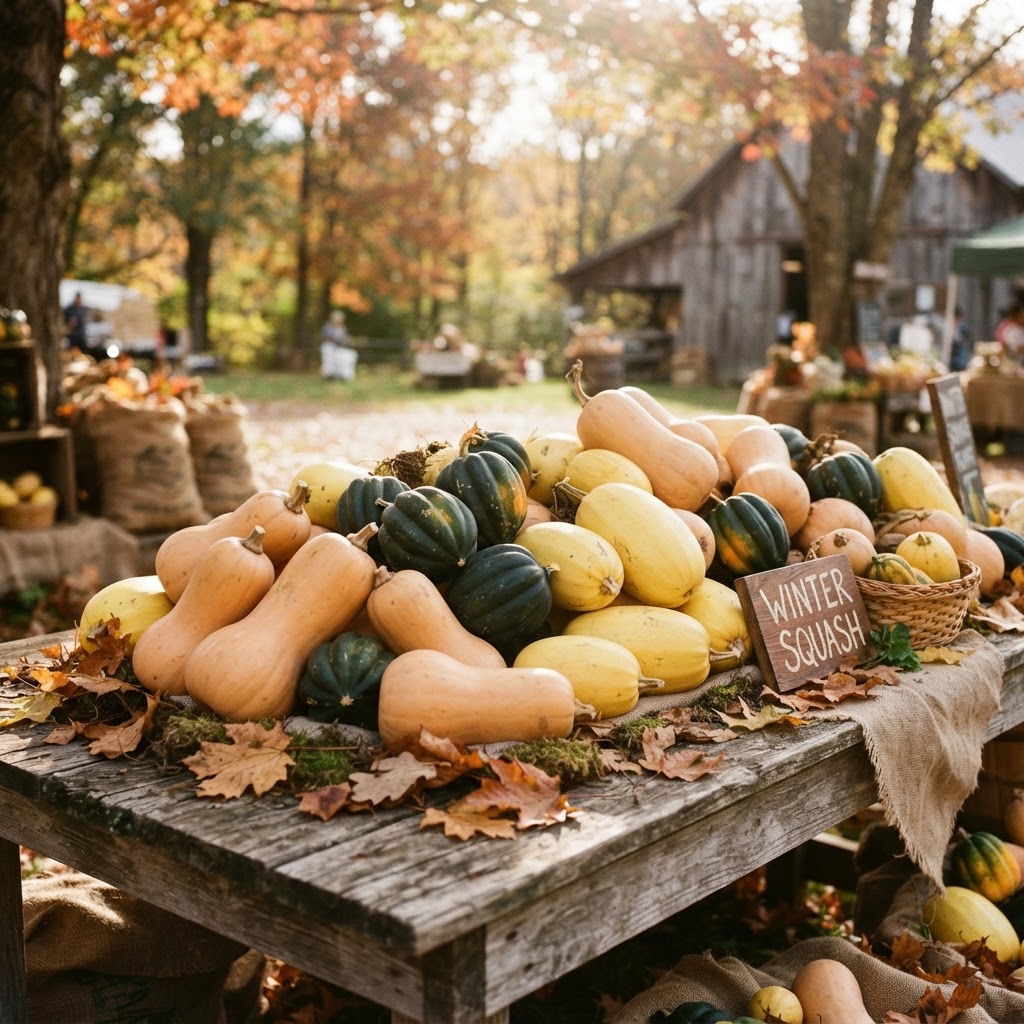
If there's one thing that signals a true shift into fall cooking, it's the arrival of winter squash. Butternut, acorn, and spaghetti squash each bring something completely different to the table — in flavor, in texture, and in how you use them. Right now all three are available and looking beautiful at Open Air Market Produce Stand on Barbourville Road in London, Kentucky, and they're exactly what your fall kitchen needs.
These aren't summer squash you slice thin and toss in a skillet. Winter squash is hearty, deeply flavored, and built for roasting, stuffing, and simmering. They hold up to heat, develop caramelized edges in the oven, and fill your kitchen with that unmistakable warm, nutty aroma that makes October feel like October.
Butternut Squash: The One You'll Reach for Most
Butternut squash is the workhorse of fall cooking, and for good reason. Its dense, sweet orange flesh roasts beautifully and blends into silky soups that warm you up from the inside out. Cut it in half, brush it with butter and a pinch of brown sugar, and let it roast at 400°F until the edges turn golden — it's one of the simplest, most satisfying things you can make on a cool October evening.
Beyond soup and roasting, butternut cubes are fantastic in fall pasta dishes, grain bowls, and even tacos. The flavor is mild enough to work with savory herbs like sage and thyme, but sweet enough to pair with maple syrup and cinnamon. When you're picking one out, look for a squash that feels heavy for its size with a matte tan skin — glossy skin can mean it was picked too early.
Acorn Squash: Small, Stuffable, and Totally Underrated
Acorn squash tends to get overlooked next to its flashier cousins, but it's one of the most versatile squashes you can bring home. Its natural bowl shape makes it perfect for stuffing — fill the halves with wild rice, sausage, cranberries, and a drizzle of maple syrup, then roast until tender. It's a complete meal in its own shell and impressive enough to put on the table for company.
The flavor of acorn squash is slightly milder and nuttier than butternut, with a texture that holds together better after roasting. The dark green ribbed skin is edible once cooked, which means less prep work and less waste. Look for ones that are heavy, firm, and deeply colored when you're browsing the stand — those little details make a real difference in flavor.
Spaghetti Squash: The Fall Staple That Earns Its Name
If you haven't tried spaghetti squash yet, fall is the perfect time to start. Slice it in half, scoop out the seeds, and roast it cut-side down at 375°F for about 40 minutes. When you scrape the inside with a fork, the flesh separates into long, noodle-like strands that are as fun to make as they are to eat. Top it with marinara, browned butter and parmesan, or a hearty meat sauce — it adapts to just about any pasta topping you already love.
It's also a great option if you're looking for lighter fall meals that don't sacrifice comfort. The mild flavor means it takes on whatever you pair it with, and the texture is surprisingly satisfying. Spaghetti squash keeps well on the counter for several weeks, so grab a couple when you stop by — you'll be glad to have them on hand for busy weeknights.
How to Store Winter Squash So It Lasts
One of the best things about winter squash is that it doesn't need to go straight into the fridge. Whole, uncut butternut, acorn, and spaghetti squash store beautifully at room temperature in a cool, dry spot — a pantry shelf, a spot on the counter away from direct sunlight, or even a dry corner of your garage. Stored properly, they can last anywhere from four to eight weeks, which means buying a few at once makes total sense.
Avoid storing them near bananas or apples, which give off ethylene gas and can shorten shelf life. Once you cut into a squash, wrap the exposed flesh tightly and refrigerate it for up to five days. The key is keeping uncut squash dry and cool — moisture is the enemy.
Come Find Them on Barbourville Road This Week
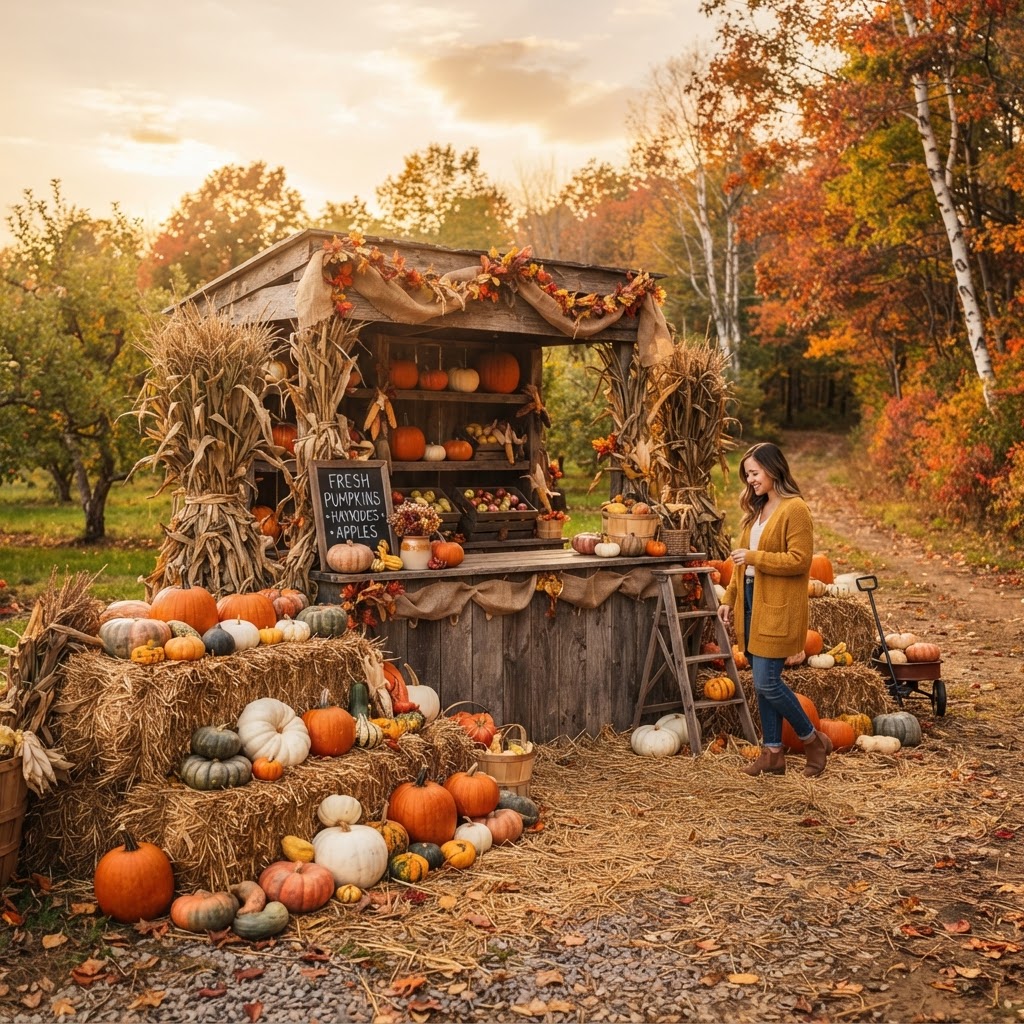
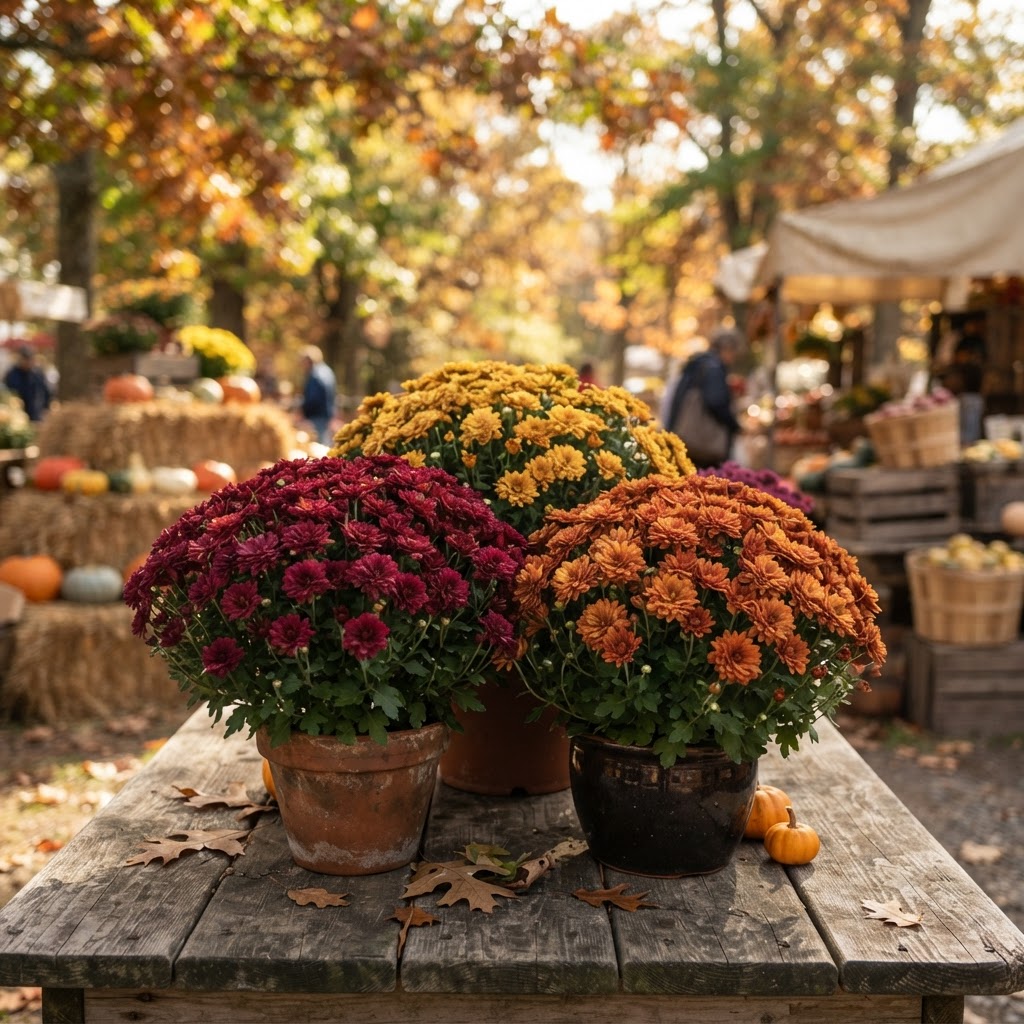
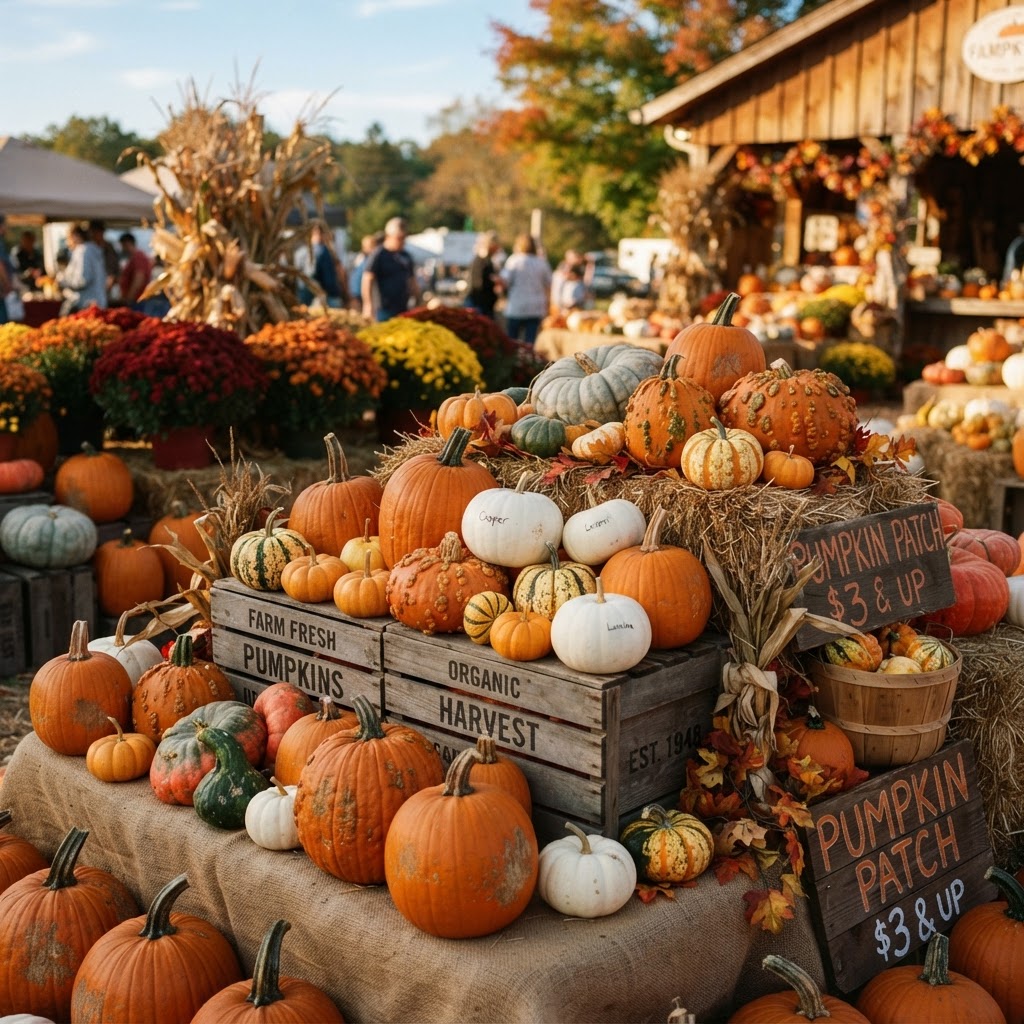
Open Air Market Produce Stand has been serving Laurel County since 1984, and fall is one of the most stocked and most colorful times of year to visit. Beyond winter squash, the stand is full of all the things that make October worth celebrating — pumpkins for the porch, mums bursting with color, hay bales, gourds, Indian corn, and fresh seasonal vegetables that are hard to find anywhere else in one place.
We're open seven days a week — Monday through Friday 10 to 6, Saturday 9 to 6, and Sunday 11 to 6 — with plenty of parking right off Barbourville Road. If you've been searching for fresh produce near me or looking for that one spot in London, Kentucky that still feels like a real community market, this is it. Stop in, pick up a few squash, and let fall cooking do the rest.
1594 Barbourville Rd, London, KY 40744 · Mon–Fri 10–6 · Sat 9–6 · Sun 11–6
Get Directions
Serving London, Kentucky since 1984, Open Air Market is the oldest and longest-running produce market in Laurel County. For over 40 years, our family-owned stand at 1594 Barbourville Rd has been the trusted source for fresh, seasonal fruits and vegetables in southeastern Kentucky. We hand-select every item for ripeness and quality — the way it's been done for four decades. Open 7 days a week.