From the Ground Up: Building a Fall Display That Actually Lasts
A great fall display starts with the right foundation — and hay bales, straw, and fodder shocks bring that unmistakable harvest warmth that no plastic decoration can replicate. Here's how to build one that holds up all season long.
Why Natural Materials Beat Store-Bought Every Single Time
There is something about a real hay bale sitting on a front porch that no foam or plastic version can come close to. The weight of it, the smell of dried grass and autumn air, the way the light catches the golden strands — it is genuinely alive in a way that manufactured decor simply is not. When you drive past a home that has gone all-in on natural fall decorating, you notice it. It stops you. That effect comes almost entirely from texture, and texture comes from the real thing.
At Open Air Market Produce Stand on Barbourville Road here in London, we carry hay bales, straw, and bundled fodder shocks throughout the fall season because we know how much our neighbors love to decorate for autumn. These are not afterthoughts sitting in a corner — they are a full part of what makes the stand feel like the heart of harvest season in Laurel County.
Hay Bales vs. Straw: Knowing the Difference Before You Buy
A lot of folks use the terms interchangeably, but there is a real difference worth knowing before you load up your truck. Hay bales contain dried grasses and sometimes seed heads — they are denser, heavier, and have a rich golden-green hue that looks stunning in outdoor displays. Straw, on the other hand, is lighter, more uniform in color, and has a clean, pale gold appearance that works beautifully as ground cover or as filler scattered around the base of a porch arrangement.
For seating — think hayride benches, fire pit surroundings, or outdoor fall gatherings — hay bales are your best bet. For layering underneath pumpkins, lining a walkway, or stuffing a scarecrow, straw is the practical pick. Knowing which one you need before you visit saves time and helps you shop with purpose. We are happy to point you in the right direction when you stop in, and with plenty of parking right off Barbourville Road, loading up is never a hassle.
Fodder Shocks: The Underrated Star of a Great Display
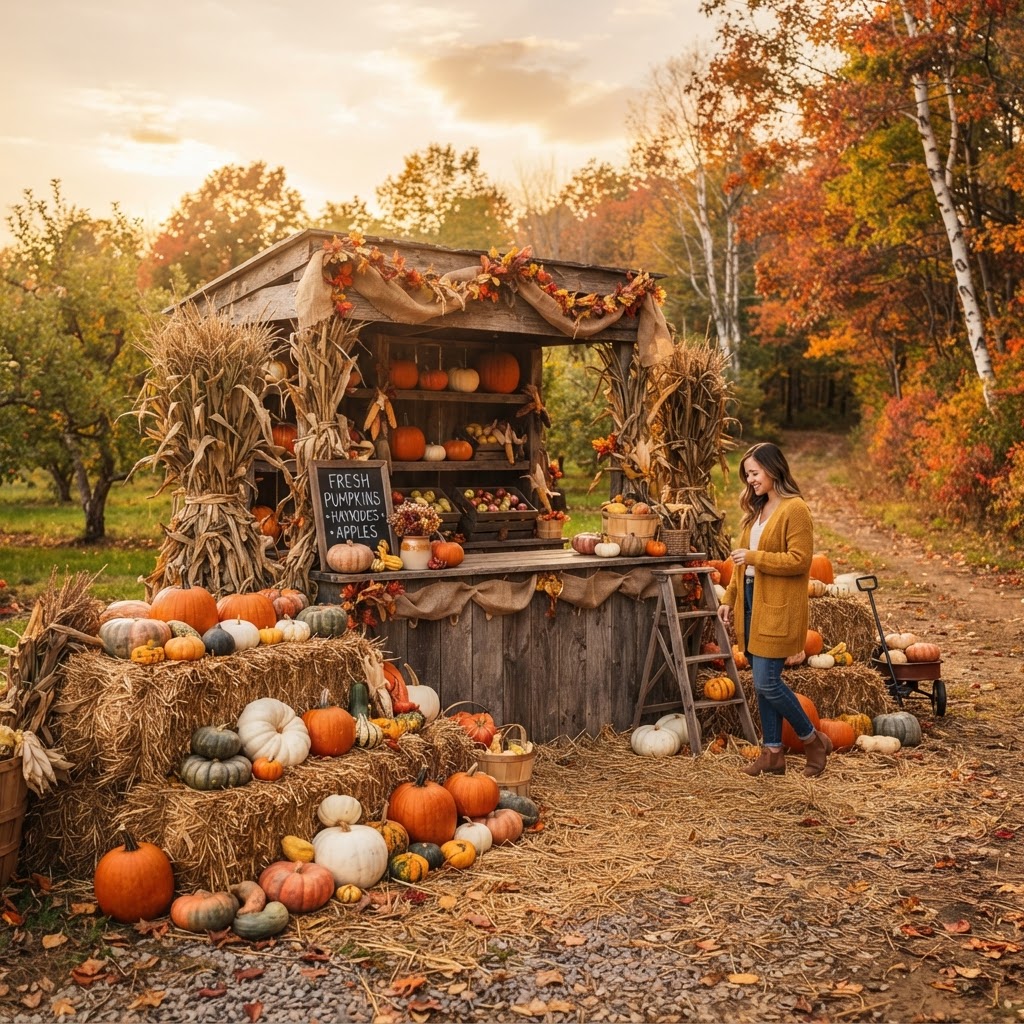
If hay bales are the foundation and straw is the fill, fodder shocks are the vertical drama that ties everything together. A fodder shock — a bundle of dried cornstalks tied at the top and fanned at the base — gives your display height, movement, and that old-world harvest character that feels genuinely rooted in agricultural tradition. Lean one against a porch post, flank your front door with a pair, or use them as anchors at the corners of a yard display. They work beautifully alongside pumpkins, gourds, and Indian corn.
Fodder shocks have a long history in rural Kentucky decorating, and there is a reason they have never gone out of style. They are dramatic without being loud, rustic without feeling overdone, and they hold up remarkably well outdoors through wind and cooler temperatures. Grab a bundle — or two — when you come through and see how much presence they add to even a simple arrangement.
Layering Your Display: A Simple How-To for a Polished Look
The secret to a fall display that looks intentional rather than just thrown together is layering from back to front and low to high. Start by positioning your fodder shocks upright at the back or sides — these are your tallest elements and they anchor the whole scene. Next, bring in your hay bales as your middle layer. Stack two for height variation or set them side by side to create a platform for other items.
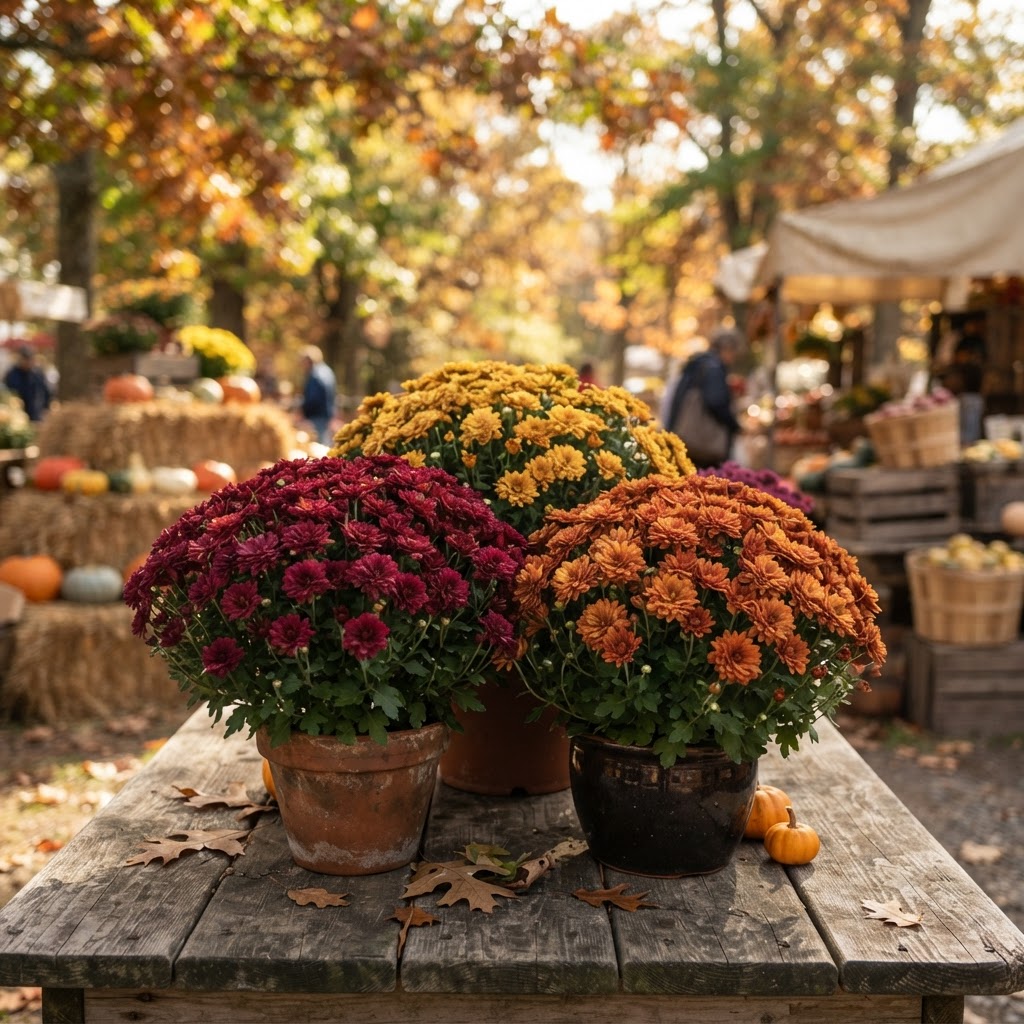
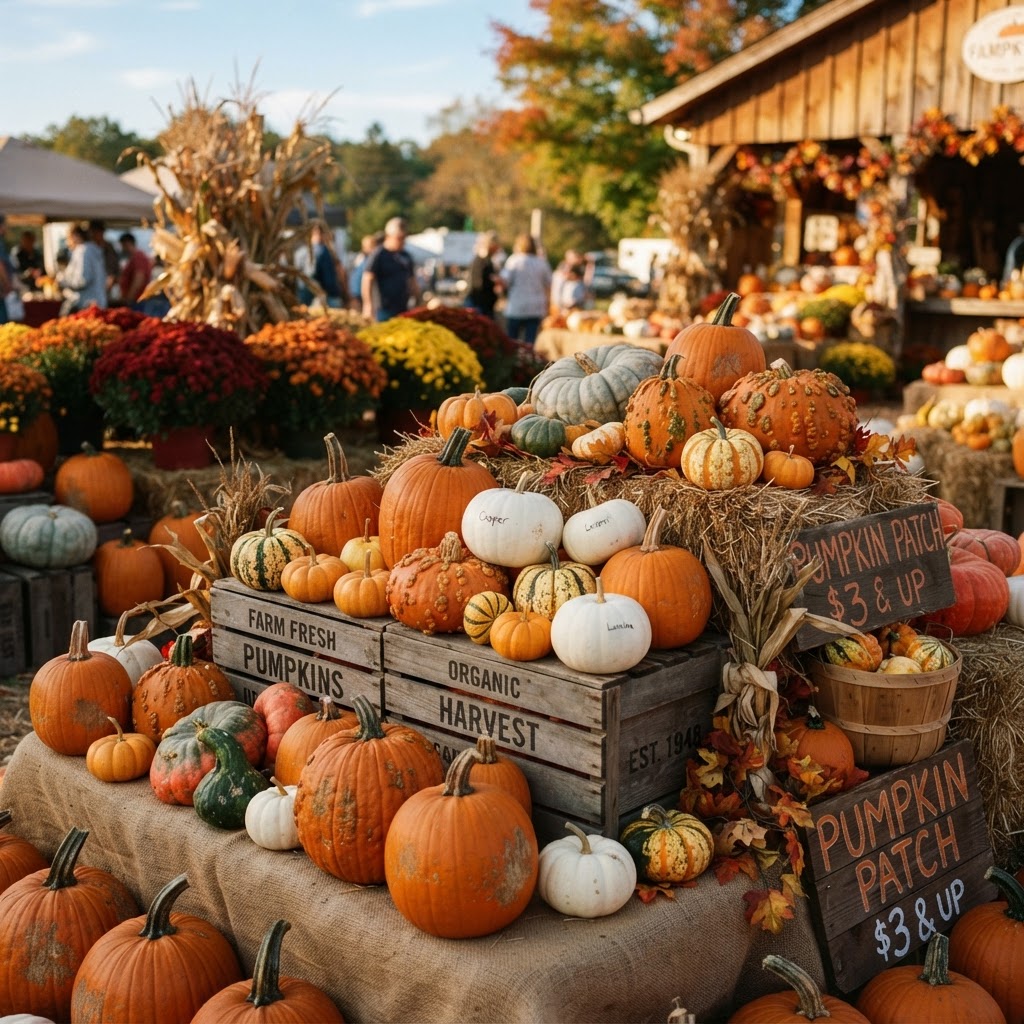
From there, scatter straw loosely across the ground in front of and around the bales to soften edges and create a natural, organic feel. Then bring in your pumpkins — mix sizes and colors — your gourds, and a few pots of mums for bursts of orange, yellow, or burgundy. Tuck Indian corn into the fodder shocks or drape it over the hay bales. Step back, adjust, and do not overthink it. The materials themselves are so naturally beautiful that they do most of the work for you.
October Is Peak Season — Don't Wait Too Long
We are right in the thick of fall here in mid-October, and displays built now will carry you all the way through Halloween and deep into November. The cooler temperatures London, Kentucky has been seeing are ideal for keeping your hay bales and fodder shocks in great shape outdoors. Heat and humidity are what break these materials down quickly, and we are well past that now.
Open Air Market is open seven days a week — Monday through Friday from 10 to 6, Saturday from 9 to 6, and Sunday from 11 to 6. If you have been putting off pulling together your fall display, this weekend is the perfect window. Stop in, walk the stand, and load up everything you need in one trip. We have been serving Laurel County families since 1984, and helping folks find what they need for a beautiful autumn season is one of our favorite parts of the job.
A Few Final Tips for Getting the Most Out of Your Materials
To keep your hay bales looking their best, set them on a pallet or a few bricks to keep the bottom from sitting directly in standing water after rain. This simple step can double how long they hold their shape and color outdoors. For straw used as ground cover, a light layer goes a long way — you do not need to pile it deep to get the visual effect.
Fodder shocks benefit from being secured at their base with a stake or tied loosely to a porch railing in windy spots. A little bit of prep upfront means your display stays exactly where you put it through October and beyond. And if you want to refresh the look mid-season, a few new pumpkins or a fresh pot of mums from the stand can make everything feel new again without starting from scratch.
1594 Barbourville Rd, London, KY 40744 · Mon–Fri 10–6 · Sat 9–6 · Sun 11–6
Get Directions
Serving London, Kentucky since 1984, Open Air Market is the oldest and longest-running produce market in Laurel County. For over 40 years, our family-owned stand at 1594 Barbourville Rd has been the trusted source for fresh, seasonal fruits and vegetables in southeastern Kentucky. We hand-select every item for ripeness and quality — the way it's been done for four decades. Open 7 days a week.