Three Squashes, Endless Possibilities: Getting the Most Out of Winter Squash This Fall
Winter squash season is in full swing, and butternut, acorn, and spaghetti squash each bring something special to your fall table. Here's how to pick, store, and cook them like a pro.
Why Winter Squash Deserves a Spot in Every Fall Kitchen
There's a certain kind of satisfaction that comes with cooking squash in October. The kitchen smells like something your grandmother might have made, the oven keeps the house warm, and dinner feels genuinely seasonal. Butternut, acorn, and spaghetti squash are three of the most dependable and delicious things you can bring home this time of year — and right now, all three are sitting in a gorgeous pile out front at Open Air Market Produce Stand on Barbourville Road.
Each of these squashes has its own personality. Butternut is rich and sweet, almost like a savory dessert. Acorn squash has a nuttier, earthier bite and a shape that practically begs to be stuffed and baked. Spaghetti squash is the wildcard — mild on its own but endlessly versatile, especially if you're looking to lighten up a pasta night without sacrificing comfort. Together, they cover just about every base you'd want in a fall kitchen.
How to Pick a Good One — Every Time
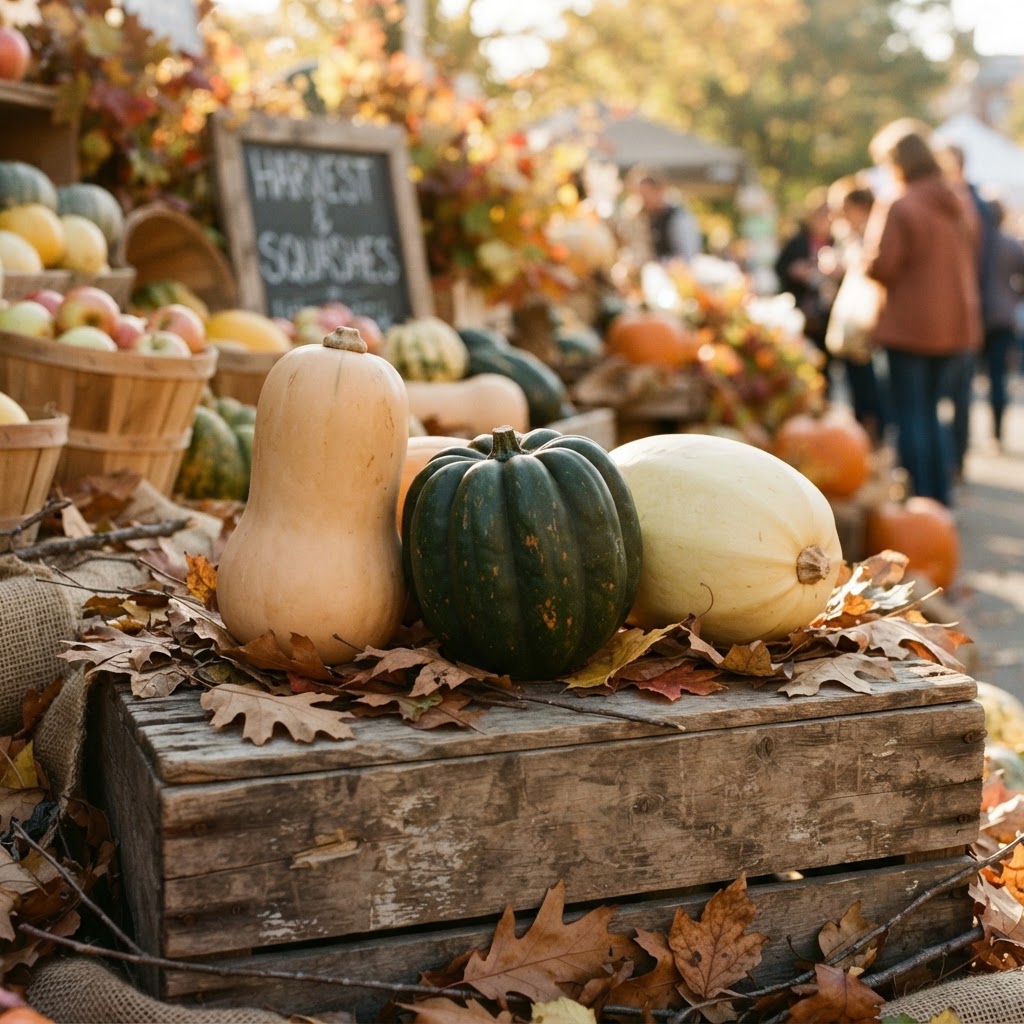
Choosing winter squash isn't complicated, but a few details make a real difference. For butternut, look for a matte tan skin with no soft spots or green patches — greenish skin means it wasn't fully ripe when harvested and the flavor won't be as deep. The stem should still be attached and feel dry and firm, not mushy or missing entirely.
Acorn squash should feel heavy for its size and have a mostly dark green exterior. A little orange blush on the skin is perfectly normal and actually signals good flavor development. Avoid any that have gone fully orange all over — those tend to be past their prime and can be stringy inside. For spaghetti squash, a pale yellow to golden skin is what you want. Press the skin gently — it should be hard as a rock. If it gives even slightly, skip it and grab another one. Our team at Open Air Market keeps the display stocked and sorted, so you'll always have good options to choose from when you stop in Monday through Friday between 10 and 6, or Saturday from 9 to 6.
Storing Squash So It Lasts Through the Season
One of the genuinely great things about winter squash is its shelf life. Unlike tender summer produce, these squashes are built to last. A whole, uncut butternut or acorn squash kept in a cool, dry spot away from direct sunlight will stay good for a month or more — sometimes much longer. A lot of people keep them right on the kitchen counter as a kind of edible decoration, which honestly isn't a bad idea in October.
Once you cut into a squash, the clock speeds up. Wrap the cut side tightly and refrigerate it, and plan to use it within four or five days. Cooked squash freezes beautifully — roast a big batch, let it cool, and pack it into freezer bags in cup-sized portions. You'll thank yourself in January when a scoop of pre-roasted butternut turns a weeknight soup into something special in about fifteen minutes.
Simple Recipes That Let the Squash Shine
Roasting is the move for butternut. Halve it lengthwise, scoop out the seeds, brush the cut side with butter and a pinch of brown sugar or maple syrup, and roast at 400 degrees cut-side up until it's caramelized and tender — usually around 45 minutes. The edges get a little golden and slightly crispy, and the flesh turns silky. That's it. That's the recipe. You can eat it as a side dish, scoop it into a blender with some broth and a little nutmeg for a soup, or mash it like a sweeter, more complex version of sweet potatoes.
For acorn squash, stuffing is the classic preparation and for good reason. Cut it in half, roast the halves until just tender, then fill them with a mixture of cooked sausage, wild rice, dried cranberries, and sage. Put them back in the oven for another ten minutes and you've got a complete fall dinner in an edible bowl. Spaghetti squash is a weeknight workhorse — roast it whole for an hour, split it open, and drag a fork through the flesh to release those signature strands. Top with a hearty meat sauce, pesto, or even just olive oil, parmesan, and black pepper for something lighter but deeply satisfying.
Fall Decorating With Squash: More Than Just a Kitchen Ingredient
People sometimes forget that winter squash isn't just for eating — it's genuinely beautiful. A cluster of mixed winter squash on a front porch, tucked alongside some mums and a few decorative gourds, looks like something out of a magazine. The varied shapes and colors — the warm tan of butternut, the deep green ridges of acorn, the smooth ivory of spaghetti squash — play off each other in a way that feels natural and harvest-ready without looking overdone.
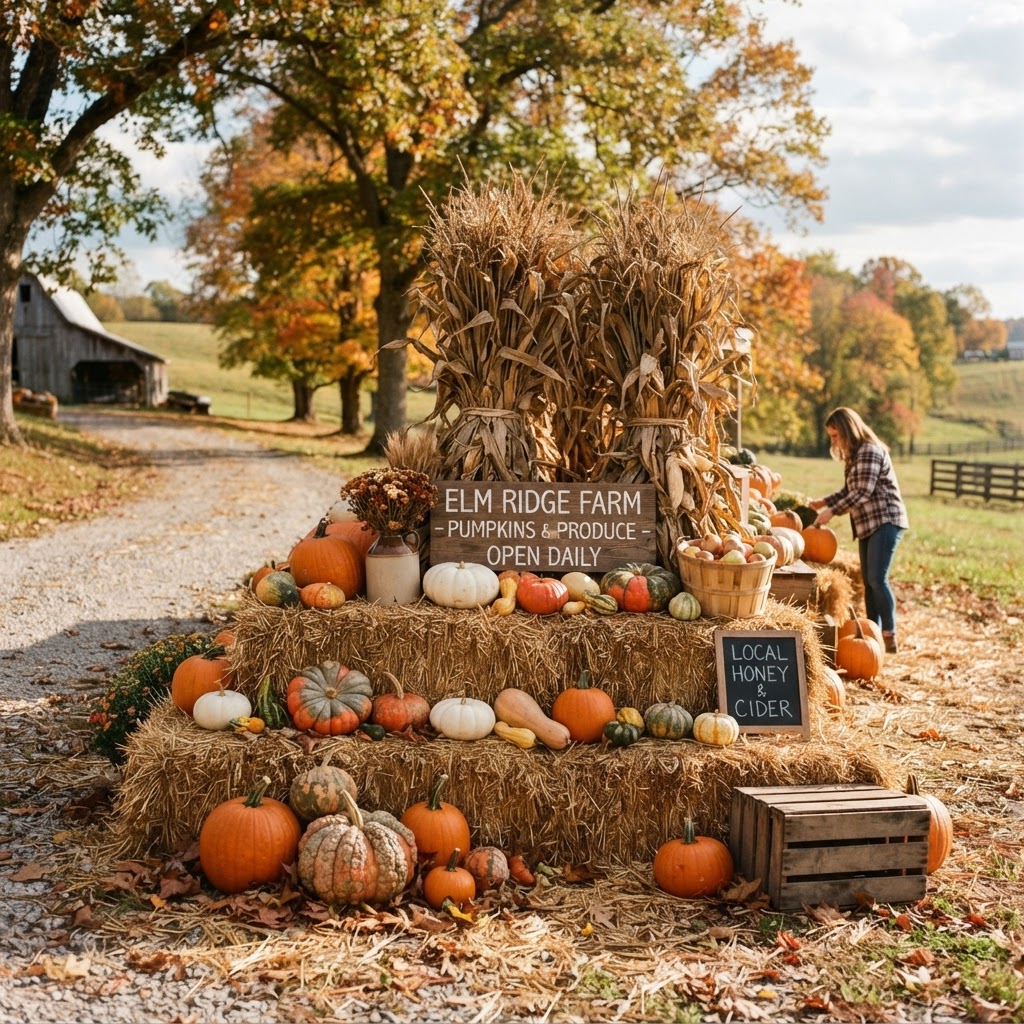
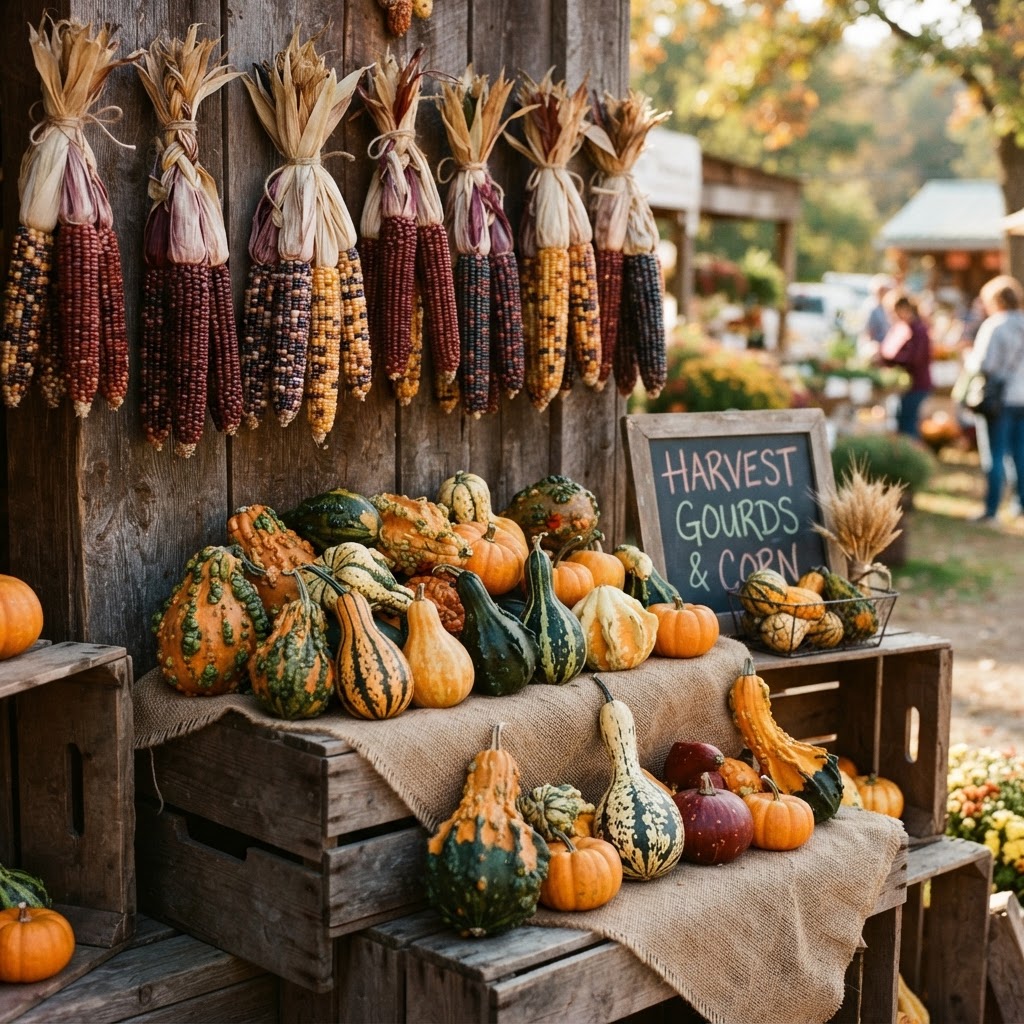
At Open Air Market, we carry plenty of fall decorating supplies beyond squash — hay bales, Indian corn, pumpkins, fodder shocks — so you can pull together a whole front-porch display in one stop. It makes the visit worth it even if you're not cooking that week. Come out to 1594 Barbourville Rd and walk the stand on a Sunday afternoon between 11 and 6. There's plenty of parking and the fall display right now is worth seeing in person.
The Underrated One: Making a Case for Spaghetti Squash
Spaghetti squash tends to get treated like a consolation prize — a pasta substitute for people who aren't eating carbs. That's genuinely unfair to a vegetable that has a lot more going for it than that reputation suggests. Yes, you can use it in place of pasta, and yes, it works well that way. But it also shines in squash fritters, in a simple brown butter preparation with sage and pine nuts, or even cold in a salad with lemon, herbs, and crumbled feta.
What makes spaghetti squash special is its texture — it's completely unique among vegetables and it absorbs flavors remarkably well. If you've only ever had it as a sad low-carb swap, try roasting it with a generous amount of olive oil, salt, and red pepper flakes, then tossing the strands with a punchy garlic and anchovy butter. You'll think about it for weeks. Pick up a couple when you're in — they're one of the better deals on the fall table and they keep long enough that you don't have to use them right away.
Your Fall Table Starts Here
There's no better time to stock up on winter squash than right now, in the height of the season, when they're at their freshest and the selection is at its best. Open Air Market Produce Stand has been serving Laurel County since 1984 — over four decades of being the place locals come when they want genuinely good, seasonal produce without the guesswork. When you're searching for fruits and vegetables near me this fall, make the short drive out to Barbourville Road. The squash is waiting.
1594 Barbourville Rd, London, KY 40744 · Mon–Fri 10–6 · Sat 9–6 · Sun 11–6
Get Directions
Serving London, Kentucky since 1984, Open Air Market is the oldest and longest-running produce market in Laurel County. For over 40 years, our family-owned stand at 1594 Barbourville Rd has been the trusted source for fresh, seasonal fruits and vegetables in southeastern Kentucky. We hand-select every item for ripeness and quality — the way it's been done for four decades. Open 7 days a week.