The Underrated Summer Squash You Should Be Cooking Right Now
Yellow squash and pattypan squash are two of summer's most versatile — and most underappreciated — vegetables. Here's why they deserve the spotlight on your dinner table this week.
Two Squash You Shouldn't Walk Past This Week
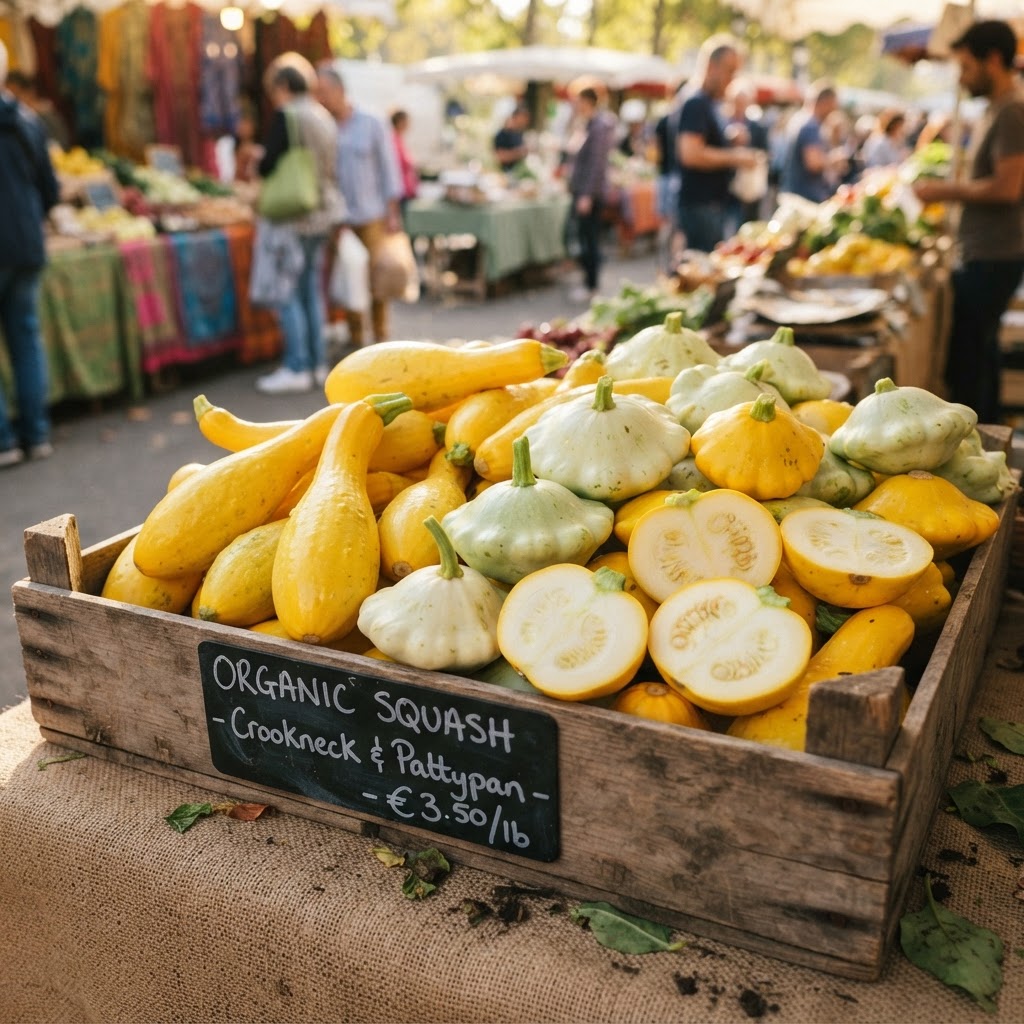
There's a moment every July when the summer squash bin at the stand practically stops you in your tracks. Right now, that bin is loaded with two beauties: classic yellow crookneck squash and the charming, flying-saucer-shaped pattypan. If you've been walking past them on your way to the tomatoes or corn, today's the day to slow down and take a second look.
Both of these squash are at their absolute peak right now — tender, thin-skinned, and full of that mild, slightly buttery flavor that only shows up when summer produce is at its freshest. They cook fast, they're wildly forgiving in the kitchen, and they can anchor everything from a 10-minute weeknight side dish to a show-stopping weekend spread. The only question is which one to grab first — so honestly, just grab both.
Getting to Know Pattypan Squash (It's Worth It)
If pattypan squash is new to you, here's a quick introduction: it's a small, round squash with scalloped edges that comes in shades of pale green, white, or a soft yellow-green. It looks almost too pretty to cut into, which is part of the reason people tend to pick it up, admire it, and then put it back down. Don't do that. Cut into it.
The flesh inside is creamy, mild, and slightly denser than yellow squash, which makes it ideal for roasting or stuffing. Because of their compact, cup-like shape, pattypans are natural vessels for fillings — think herbed breadcrumbs and Parmesan, a spoonful of sautéed onion and ground turkey, or even a simple scoop of cream cheese with fresh herbs. Hollow out the center, fill it up, and roast at 400°F until golden and bubbling. It's one of those dishes that looks like you spent the whole afternoon on it, even if it took thirty minutes.
For the smallest pattypans — sometimes called "baby" size — don't bother stuffing them at all. Just halve them, toss with olive oil, salt, and a pinch of garlic powder, and throw them on a hot grill or roasting pan. The edges caramelize beautifully and the inside stays tender. Simple, fast, and genuinely delicious.
Yellow Squash: The Workhorse of the Summer Kitchen
Yellow crookneck squash has been a staple of Southern kitchens for generations, and for good reason — it does a little bit of everything. Sautéed with onion and butter, it becomes a silky, comforting side dish that pairs with just about any protein. Sliced thin and layered into a casserole with cheddar and crackers, it's a crowd-pleasing classic. Shredded and folded into quick bread or muffin batter, it adds moisture without any overwhelming flavor.
One of the best things about yellow squash is how quickly it cooks. A medium squash, sliced into half-moons, will be perfectly tender in a skillet in about six or seven minutes over medium heat. Season generously — squash can handle it. Fresh black pepper, a little smoked paprika, or a handful of fresh basil at the end all work wonderfully. If you've never tried finishing a pan of sautéed yellow squash with a splash of white wine and a squeeze of lemon, add that to your list this week.
For a no-fuss summer side that takes almost no thought, slice yellow squash lengthwise into thick planks, brush with olive oil, and grill until you get good char marks on each side. A sprinkle of flaky salt and a drizzle of balsamic glaze is all it needs. It's the kind of thing you make once and then make every weekend for the rest of the summer.
A Recipe Worth Making This Week: Sautéed Summer Squash with Herbs and Brown Butter
This recipe is the kind of thing that earns compliments every time, and it uses ingredients most people already have on hand. Start with two medium yellow squash and two or three small pattypans, cut into similar-sized pieces so everything cooks evenly. Heat a wide skillet over medium-high heat and add two tablespoons of butter. Let it go until it starts to smell nutty and the foam subsides — that's your brown butter moment, and it's where a lot of the flavor comes from.
Add the squash in a single layer, resist the urge to stir immediately, and let it sit for a couple of minutes so it develops a little color. Then toss, season well with salt and pepper, and cook another three to four minutes until just tender. Pull the pan off the heat and add a handful of fresh herbs — thyme, basil, and flat-leaf parsley all work beautifully together or on their own. Finish with a squeeze of lemon and serve immediately. It's excellent alongside grilled chicken, fish, or even just a bowl of pasta with olive oil. This dish is genuinely one of the best arguments for buying fresh vegetables in season from a real produce stand.
How to Pick the Best Ones at the Stand
When you're standing at the bin deciding which squash to take home, size matters more than you might think. For yellow squash, look for medium-sized ones — roughly six to eight inches long. Anything much larger tends to have a thicker, tougher skin and bigger seeds, which means less of the good stuff. The skin should feel smooth and taut, with no soft spots or dull patches.
For pattypans, smaller is almost always better. When they're the size of a golf ball or slightly larger, the skin is still thin enough to eat and the flavor is at its sweetest. Once they get larger than a tennis ball, the texture gets starchier and less refined. Give them a gentle squeeze — they should feel firm, not hard as a rock but definitely not soft. If the stem end still looks fresh and green rather than dried out, that's a good sign you're getting something picked recently.
At Open Air Market Produce Stand on Barbourville Road, the squash gets rotated regularly, so you'll generally find a good selection throughout the week. Stopping in earlier in the day — especially Monday through Wednesday — tends to give you first pick of the freshest arrivals.
Storing Summer Squash So It Lasts
Summer squash is best eaten within a few days of buying it, but with a little care it can hold up well in the refrigerator for up to five or six days. The key is to keep them dry — moisture is what causes them to get slimy and soft before their time. Don't wash them until you're ready to use them, and store them loosely in the crisper drawer. A paper towel tucked in with them helps absorb any excess humidity.
If you buy more than you can use fresh — which is easy to do when the squash at the stand looks this good — yellow squash freezes reasonably well for cooked applications. Blanch sliced squash in boiling water for two minutes, cool it quickly in an ice bath, pat it dry, and freeze in a single layer on a baking sheet before transferring to freezer bags. It won't be right for a stir-fry after freezing, but it's perfectly suited for casseroles, soups, and baked dishes all through the fall and winter.
Come See What's at the Stand Today
Open Air Market Produce Stand has been part of the London, Kentucky community since 1984 — the longest-running produce market in Laurel County — and summer is genuinely one of the best times of year to stop by. When you're looking for fresh produce in London, Kentucky and want to actually see what's in season rather than guess from a grocery store label, this is the place.
The stand is open seven days a week at 1594 Barbourville Road: Monday through Friday from 10 a.m. to 6 p.m., Saturday from 9 a.m. to 6 p.m., and Sunday from 11 a.m. to 6 p.m. There's plenty of parking, the staff is friendly, and the selection right now — yellow squash, pattypan squash, and much more — is as good as it gets. If you've been searching for fresh fruits and vegetables near you this summer, there's no better answer than right here in Laurel County.
1594 Barbourville Rd, London, KY 40744 · Mon–Fri 10–6 · Sat 9–6 · Sun 11–6
Get Directions
Serving London, Kentucky since 1984, Open Air Market is the oldest and longest-running produce market in Laurel County. For over 40 years, our family-owned stand at 1594 Barbourville Rd has been the trusted source for fresh, seasonal fruits and vegetables in southeastern Kentucky. We hand-select every item for ripeness and quality — the way it's been done for four decades. Open 7 days a week.