Pumpkins Three Ways: Your Complete Guide to Carving, Pie-Making, and Fall Decorating
Whether you're hollowing one out for Halloween, baking a homemade pie, or stacking them on your front porch, pumpkins are the heart of fall — and right now, Open Air Market Produce Stand has a beautiful selection waiting for you.
Not All Pumpkins Are Created Equal
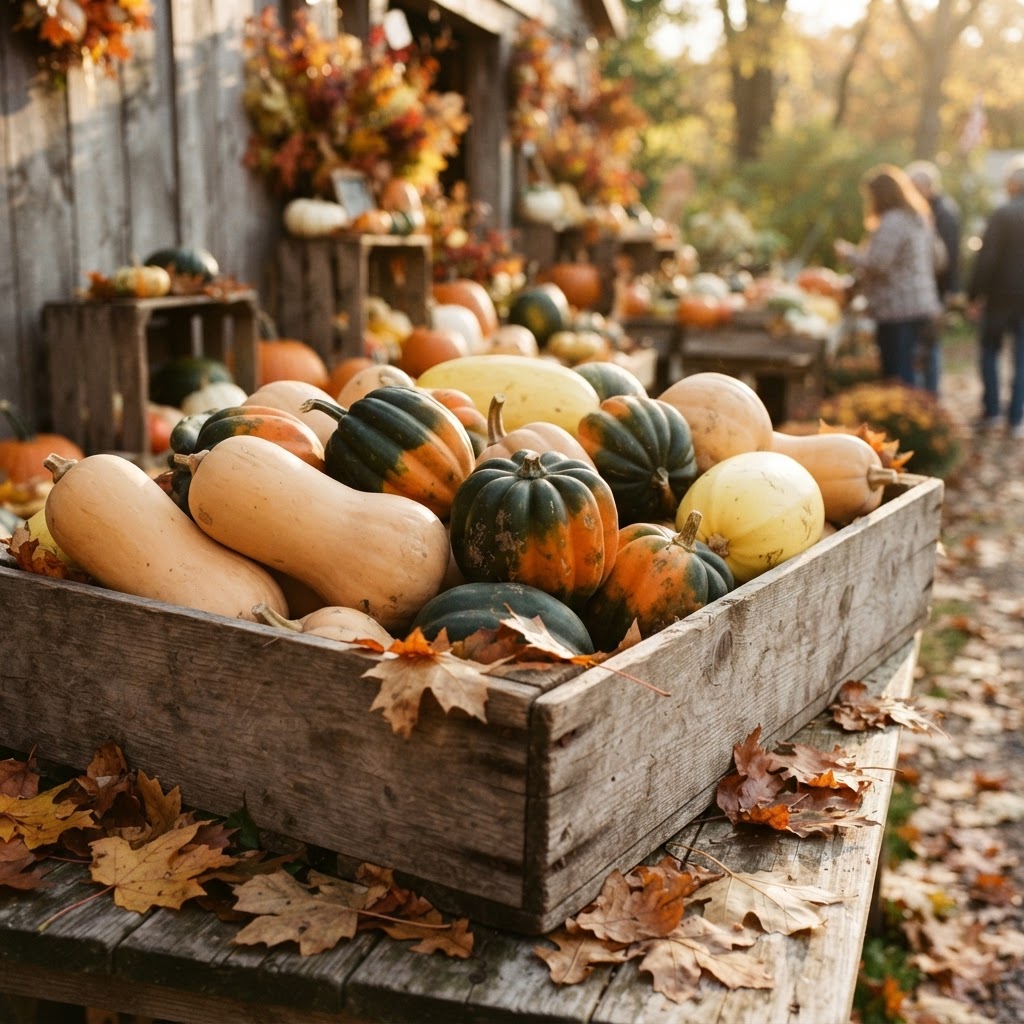
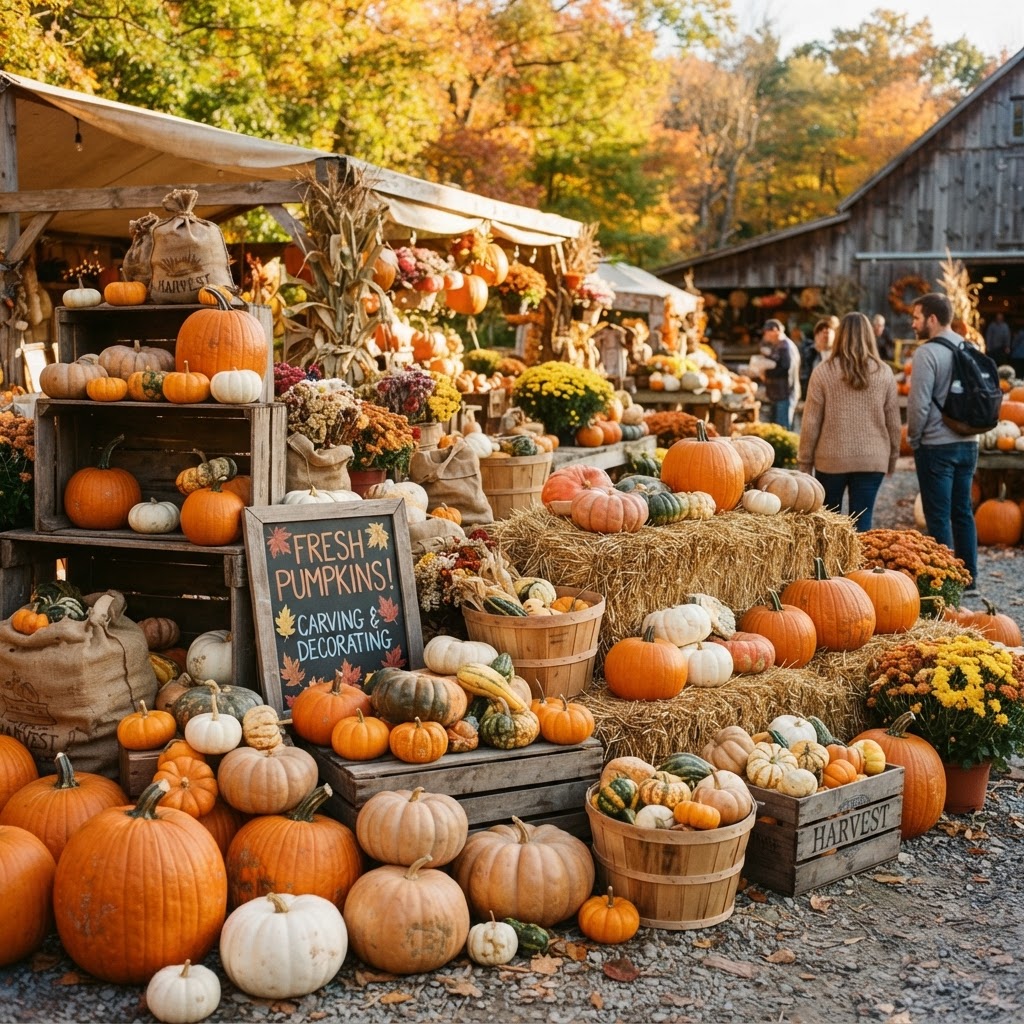
Walk up to a pumpkin display and it's easy to just grab the biggest, roundest orange one you see. But here's something worth knowing before you load up your cart: pumpkins are surprisingly specialized. The thick-walled, stringy giants are built for carving — they scoop out easily and hold a carved face beautifully through Halloween night. The smaller, denser varieties with deep orange flesh are your pie pumpkins, sometimes called sugar pumpkins, and they taste worlds better than anything from a can. Then there are the decorating types — the pale ghostly whites, the warty knobby ones, the flat cinderella-style pumpkins — which aren't really meant for eating at all but look absolutely stunning on a porch step or harvest table.
Right now at Open Air Market Produce Stand on Barbourville Rd in London, Kentucky, the pumpkin selection is in full swing. We carry all three types, and our staff are happy to help you tell them apart if you're not sure what you're looking at. Knowing which pumpkin does what job makes the whole fall season more satisfying — and a lot more delicious.
How to Pick the Perfect Carving Pumpkin
For carving, size and shape matter more than you might think. A flat bottom keeps your pumpkin stable on the porch. Look for one that feels solid and heavy for its size — softness or give anywhere on the skin is a sign it won't last. Check the stem too: a firm, dry stem is a good indicator of freshness, though never carry the pumpkin by the stem or it may snap off.
When you're planning your design, consider the pumpkin's natural shape. A tall, narrow pumpkin lends itself to vertical designs and dramatic expressions. A wide, squat pumpkin gives you more horizontal canvas for detailed scenes or multiple faces. If you've got kids doing the carving, look for a medium-sized pumpkin with smooth, evenly colored skin — it's the easiest to work with and holds up well under beginner hands. Bring the whole family out and let everyone pick their own. There's something genuinely fun about standing in a pile of pumpkins and hunting for just the right one.
Baking From Scratch: The Case for a Real Pie Pumpkin
If you've only ever made pumpkin pie from a can, making it from a fresh sugar pumpkin is a genuine revelation. The flavor is richer, slightly earthier, and more complex — it actually tastes like pumpkin rather than just pumpkin spice. And the process isn't as complicated as it sounds.
Start by halving your pie pumpkin and scooping out the seeds. Place the halves cut-side down on a baking sheet and roast at 375°F for about 45 minutes until the flesh is completely tender. Let it cool, then scoop out the flesh and blend or mash it until smooth. From there, use it exactly as you would canned pumpkin — it measures roughly the same. One medium sugar pumpkin typically yields about 1.5 to 2 cups of puree, enough for a standard 9-inch pie. The seeds you scooped out? Rinse them, toss with olive oil and salt, and roast them at 300°F for 20 to 30 minutes for a snack that's hard to stop eating.
Pick up a couple of sugar pumpkins on your next visit to the stand — they're typically smaller and feel noticeably heavier than a carving pumpkin of the same size. We carry them through the fall season, and they go fast once word gets around.
Decorating With Pumpkins: More Than Just a Doorstep
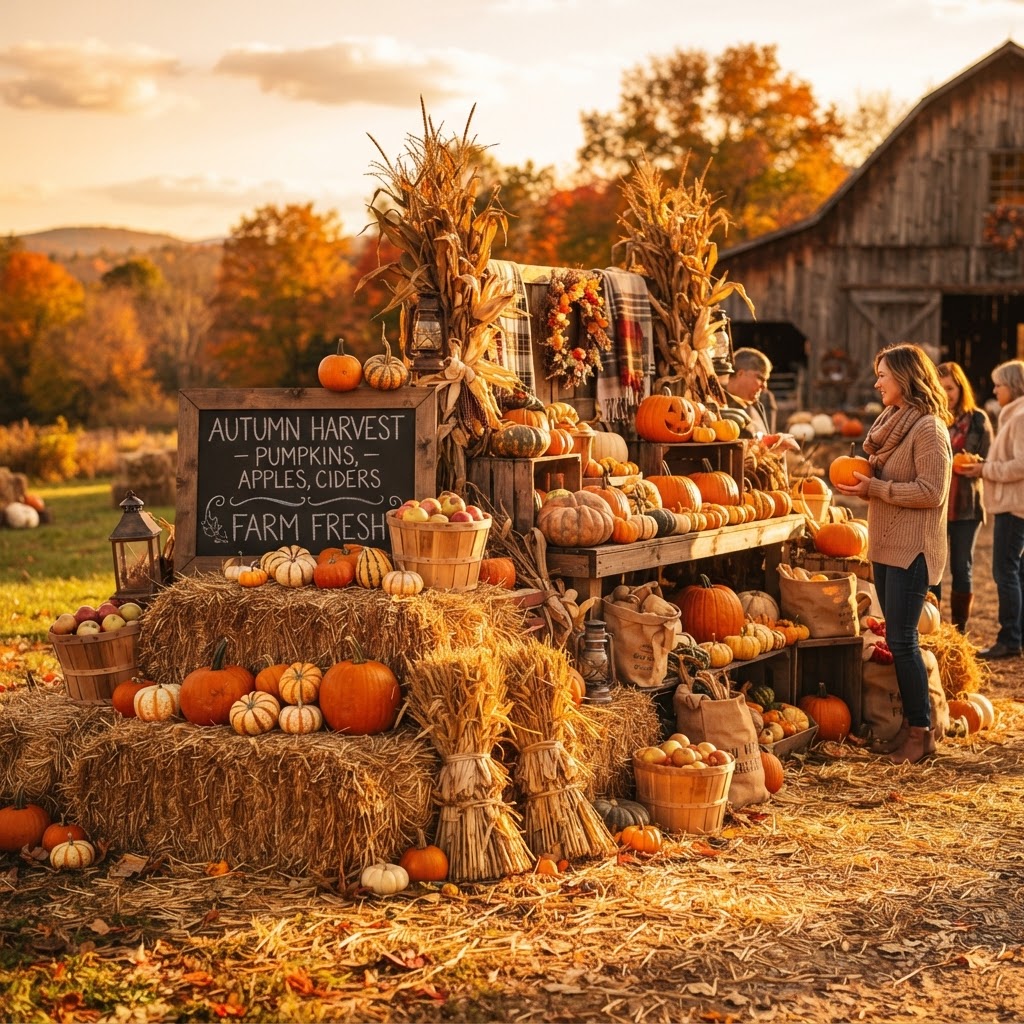
A single pumpkin on a porch step is classic for a reason, but if you want to take your fall display to the next level, think in groupings and layers. Odd numbers — three, five, or seven pumpkins — tend to look more natural and visually interesting than even pairs. Mix sizes dramatically: one large, two medium, and a cluster of small ones creates real depth. Vary the colors too, pairing traditional orange with white, cream, or the deep green of an unripe pumpkin that will slowly blush orange over the coming weeks.
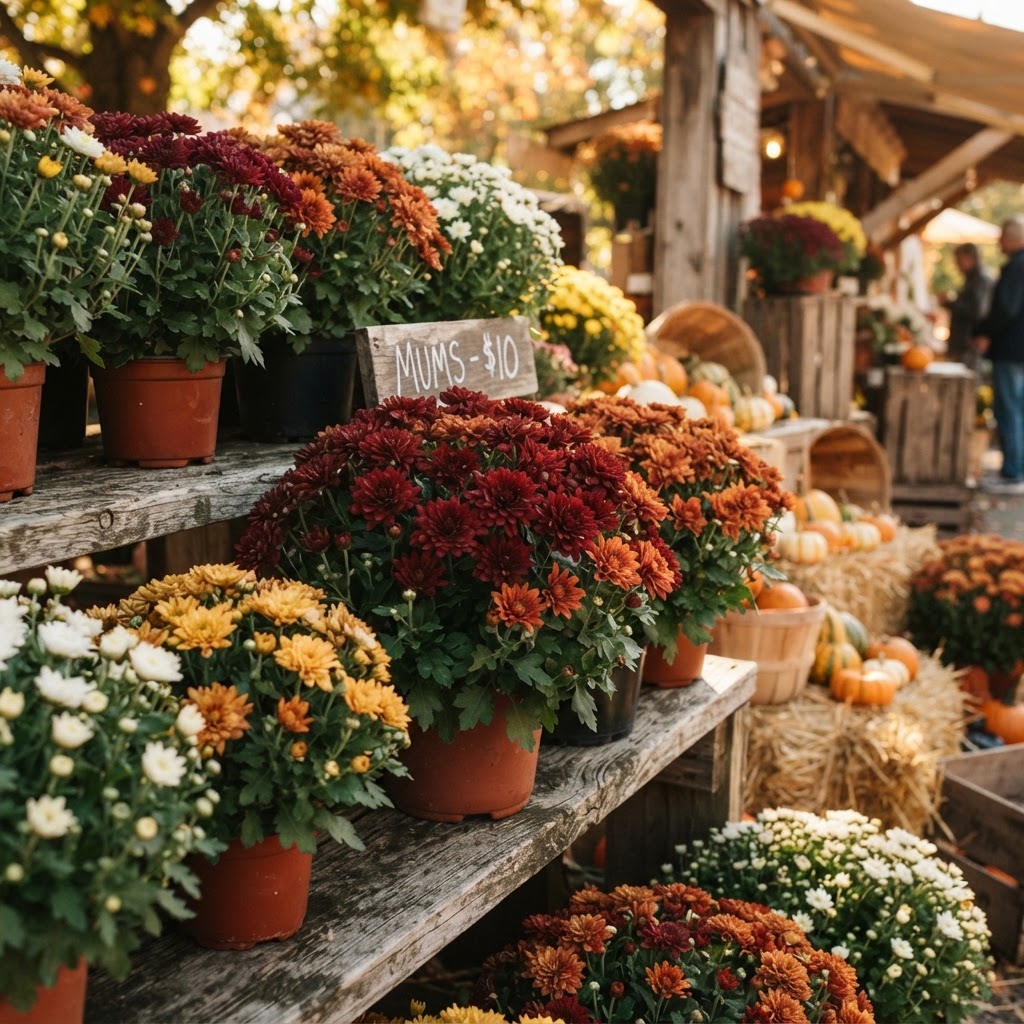
Open Air Market is open seven days a week — Monday through Friday 10 to 6, Saturday 9 to 6, and Sunday 11 to 6 — and we have plenty of parking, which makes loading up on pumpkins easy. Pair them with a hay bale base, a few stalks of fodder shock, and some potted mums, and your front porch can go from plain to full harvest spectacular in under an hour. Stop by and browse — the display practically decorates itself once you see how everything looks together.
The Pumpkins You Haven't Thought to Try Yet
Beyond the standard orange carving pumpkin, there's a whole world of unusual varieties worth exploring. Cinderella pumpkins — those wide, flattened, deeply ribbed types in dusty orange-red — have a dramatic presence that looks like something out of a fairy tale stacked on a porch. White pumpkins like the Lumina variety are striking next to traditional orange and work beautifully in both indoor and outdoor arrangements. Warty Hubbard-style pumpkins and bumpy Knucklehead varieties add texture and a rustic, almost sculptural quality to any display.
These decorating varieties also have longer shelf lives than carving pumpkins, often staying beautiful well past Halloween and into Thanksgiving. If you want your fall display to carry through the whole season without rotting out by mid-October, lean toward the thick-skinned decorating varieties and save the carving pumpkins for closer to Halloween.
A Few Tips to Make Your Pumpkins Last Longer
Nobody wants to watch their beautifully chosen pumpkin collapse into a pile of mush two weeks before Halloween. A little care goes a long way. Keep uncarved pumpkins out of direct harsh sunlight during warm afternoons — the heat speeds up decay. If temperatures in Laurel County dip at night, that's actually great for pumpkins; they like the cool. Bring them inside if a hard freeze is coming, but otherwise the cool nights of a Kentucky fall are nearly ideal storage conditions.
For carved pumpkins, rub the cut edges and interior with petroleum jelly to slow moisture loss. Some people swear by a diluted bleach spray on the carved surfaces to slow mold growth — one teaspoon of bleach per quart of water, lightly misted. Keep carved pumpkins out of the rain if possible and bring them inside on the warmest days. With a little attention, a well-chosen pumpkin from fresh produce in London, Kentucky can look great clear through October 31st.
Come visit us at 1594 Barbourville Rd and find your fall pumpkins while the picking is great. The selection at a real Laurel County produce stand beats anything you'll find in a box store bin — and you can actually see and feel every pumpkin before it comes home with you.
1594 Barbourville Rd, London, KY 40744 · Mon–Fri 10–6 · Sat 9–6 · Sun 11–6
Get Directions
Serving London, Kentucky since 1984, Open Air Market is the oldest and longest-running produce market in Laurel County. For over 40 years, our family-owned stand at 1594 Barbourville Rd has been the trusted source for fresh, seasonal fruits and vegetables in southeastern Kentucky. We hand-select every item for ripeness and quality — the way it's been done for four decades. Open 7 days a week.