Hay Bales, Straw, and Fodder Shocks: The Ultimate Fall Decor Trio for Your Porch and Yard
Nothing says autumn like the warm, earthy textures of hay bales, golden straw, and towering fodder shocks. Open Air Market Produce Stand has everything you need to turn your front porch or yard into a stunning fall showpiece.
The Three Textures That Make Fall Feel Real
There's a moment every September when the air shifts — just a little cooler, a little crisper — and suddenly you want your home to look the way that air feels. That's where hay bales, straw, and fodder shocks come in. These aren't just decorations. They're textures. They bring weight and warmth and a kind of old-world agricultural beauty that no store-bought plastic wreath can replicate. At Open Air Market Produce Stand on Barbourville Road in London, Kentucky, we've been helping Laurel County families build those front-porch moments since 1984, and every fall we stock up on all three so you can put together a display that genuinely turns heads.
Whether you're decorating a modest front stoop or spreading a whole harvest scene across a wide country yard, understanding the difference between hay, straw, and fodder shocks — and how each one plays a role in a finished display — is the first step. Once you see how they work together, you'll never go back to a single pumpkin sitting alone on a bare porch step.
Hay Bales vs. Straw Bales: Yes, There's a Difference
People use the terms interchangeably all the time, but hay and straw are actually two different things, and that distinction matters when you're decorating. Hay is dried grass or legume plant material — it's greener, a bit rougher, and since it contains seeds it can attract animals and even sprout if it gets wet. Straw, on the other hand, is the dried stalks left over after grain harvest. It's golden, clean, hollow, and much less likely to cause problems on your porch or in your flower beds. For decorating purposes, straw bales are generally the better choice — they hold their shape longer, stay tidier, and have that classic bright-gold color that photographs beautifully next to orange pumpkins and deep-burgundy mums.
That said, hay bales have their place too. They're fantastic for seating at outdoor fall gatherings, hayrides, or casual yard setups where you want that raw, working-farm energy. Stacked two or three high with a flat board across the top, hay bales make an instant rustic bench for a bonfire night or a fall cookout. We carry both at the stand, so stop by and take a look — our staff is happy to help you figure out which makes more sense for your specific setup.
What Exactly Is a Fodder Shock, and Why Does Your Yard Need One?
If you've ever driven past an old Kentucky farmstead in October and seen those tall, cone-shaped bundles of dried cornstalks tied together in the field, you already know what a fodder shock looks like. They're one of the most distinctly American harvest decorations there is — a living link to the way farmers once bundled and stood their stalks upright to dry before bringing them in. Today they serve a purely decorative purpose, but the drama they bring to a yard display is hard to match.
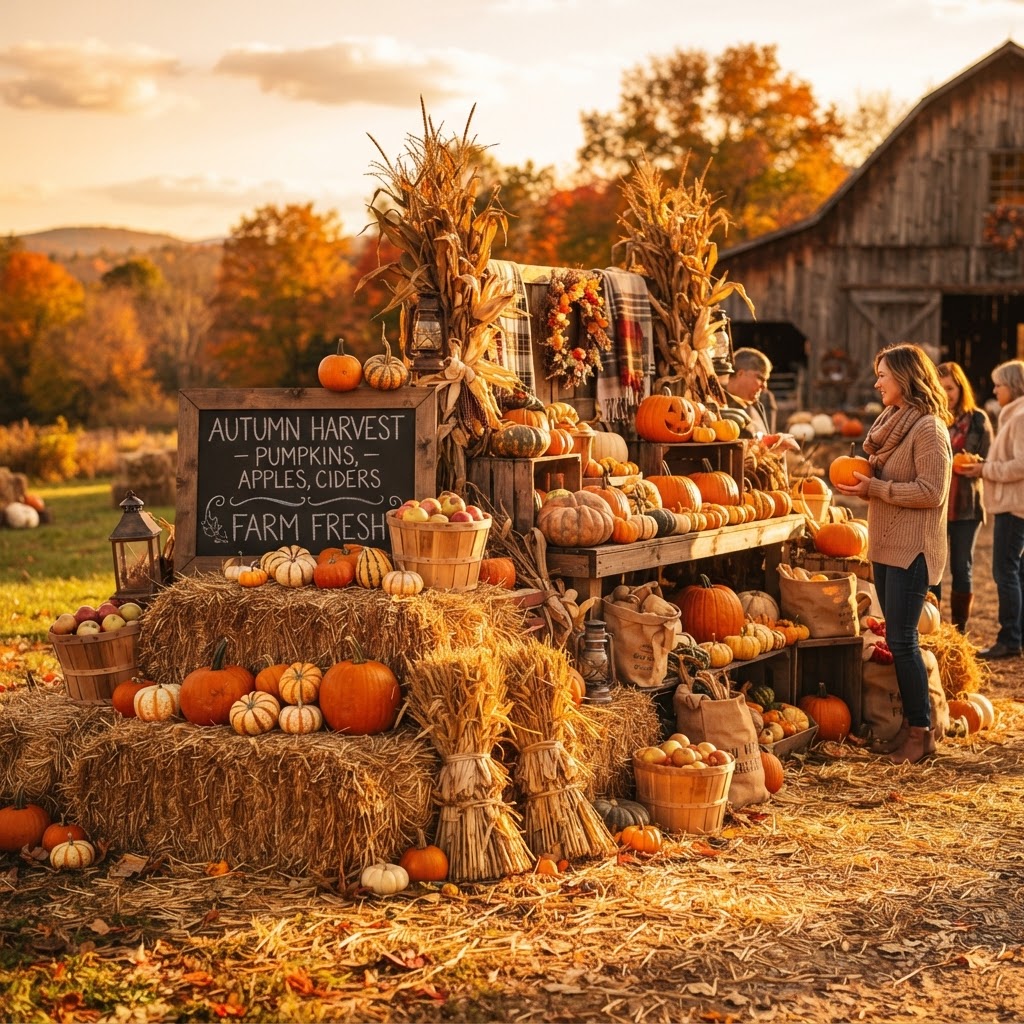
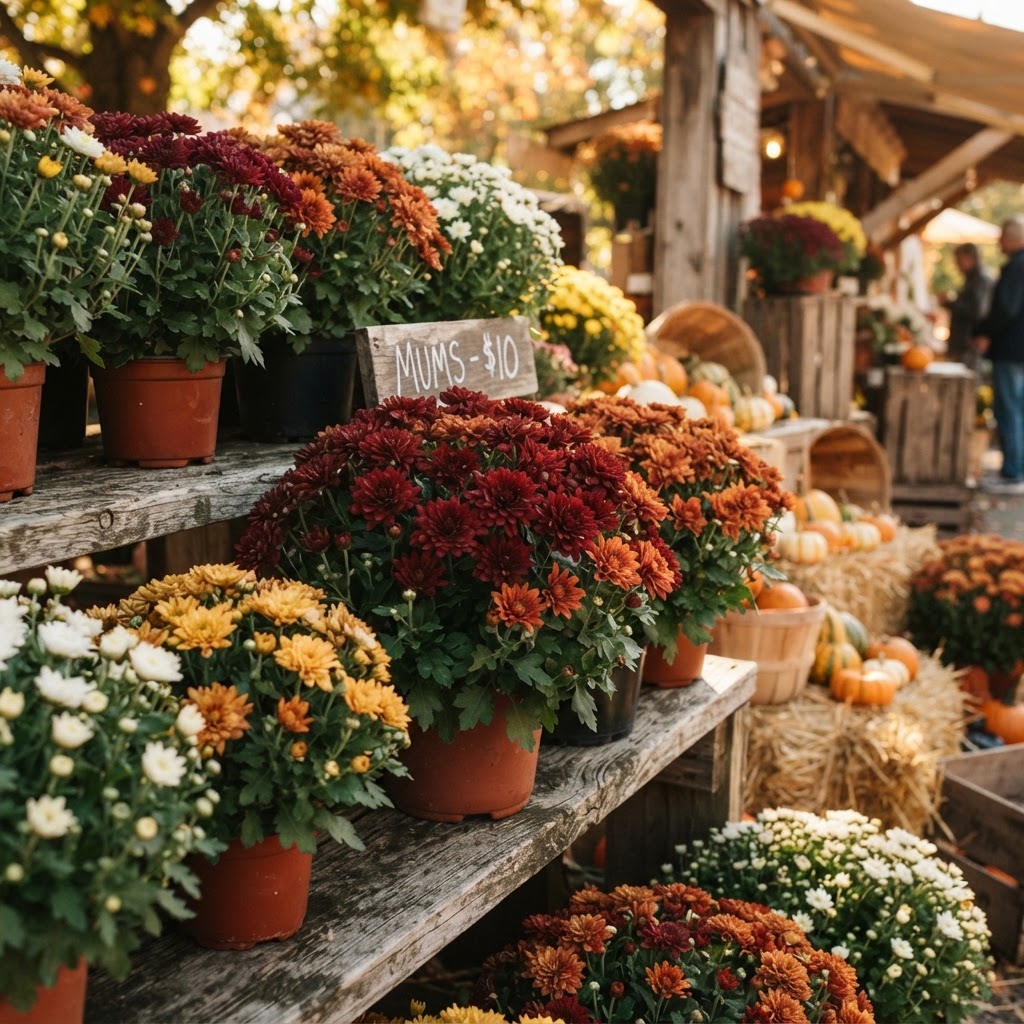
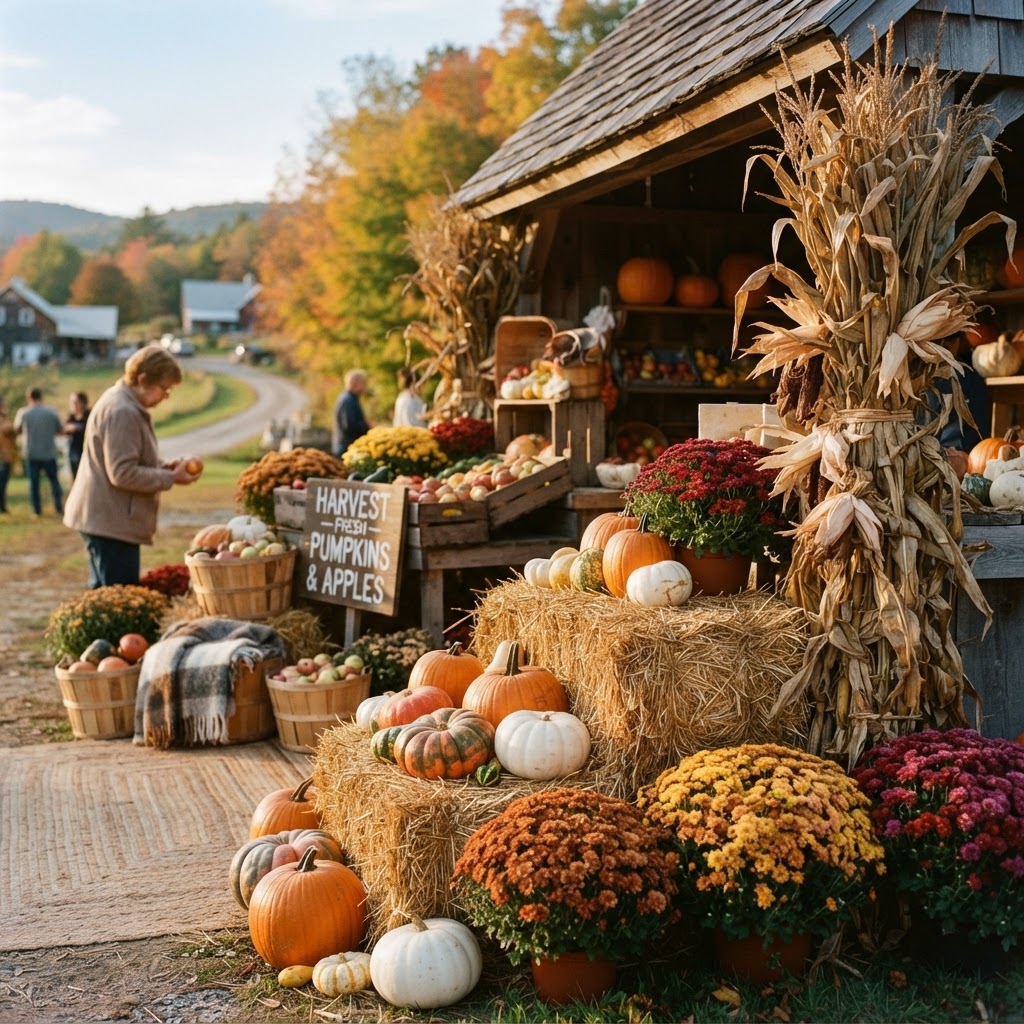
A single fodder shock standing five or six feet tall at the corner of your porch instantly gives your whole property a storybook fall quality. Pair two of them flanking your front door with a couple of hay bales stacked between, a scattering of gourds across the bales, and a pot of bright mums at each side, and you've created the kind of scene that makes neighbors slow down to look. Fodder shocks also work beautifully tied to mailbox posts, wrapped around porch columns, or anchored at the end of a driveway for a welcoming harvest entrance. We stock them right here at our produce stand in London, KY, so you don't have to hunt all over Laurel County to find them.
Building a Front-Porch Display That Lasts All Season
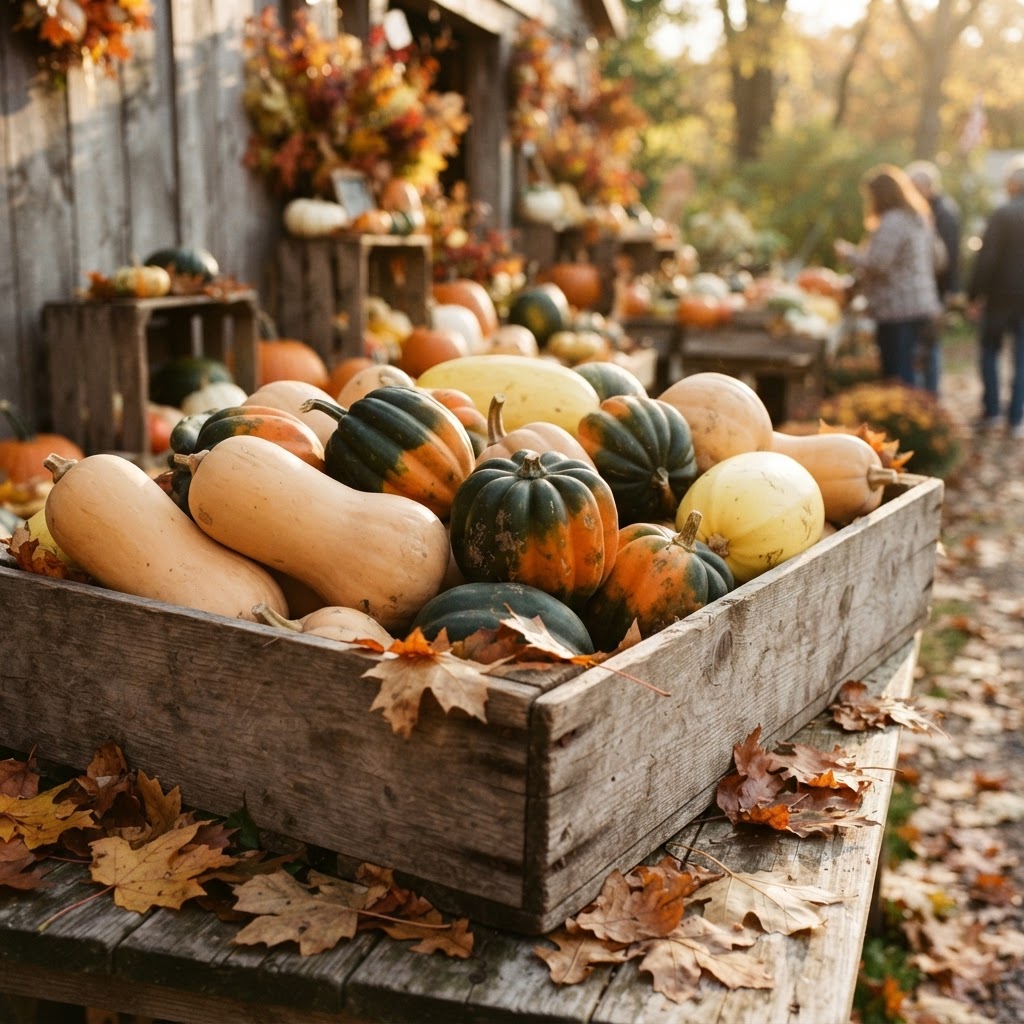
One of the best things about a hay-bale and fodder-shock display is its staying power. Unlike flowers that need watering or pumpkins that can soften quickly in warm weather, a well-built straw-and-shock arrangement can look great from Labor Day all the way through Thanksgiving with almost zero maintenance. The key is layering. Start with your largest elements — the fodder shocks and stacked bales — and treat them as your anchor points. Then build inward and downward with medium-sized items like pumpkins, gourds, and Indian corn. Finally, fill gaps and add pops of color with mums, smaller ornamental gourds, and even a few seasonal vegetables like deep-green acorn squash or warty Hubbard squash.
Height variation is everything. A flat, same-level display looks like an afterthought. When you stack bales to different heights and let a tall fodder shock rise above everything else, the eye naturally travels through the whole scene. A wooden crate or barrel tucked alongside a bale adds another layer without a lot of effort. Come by the stand any day this week — we're open Monday through Friday from 10 to 6, Saturday from 9 to 6, and Sunday from 11 to 6, and we have plenty of parking — so you can load up everything you need in one trip.
Straw as a Practical Garden and Landscape Tool
Beyond the decorative angle, straw bales have a whole second life in the garden, and if you're already stopping by Open Air Market to pick up fall produce, it makes sense to grab an extra bale or two for practical use. Straw spread a few inches deep around the base of perennial plants acts as an excellent insulating mulch heading into winter, protecting root systems from freeze-thaw cycles. It also suppresses late-season weeds and holds moisture in raised beds right up until the first hard frost.
Some folks even use spent straw bales — ones that sat on the porch all fall — as the foundation for a new garden bed the following spring, letting the decomposing material enrich the soil over winter. It's the kind of double-duty thinking that makes a $10 bale feel like a real investment. And honestly, once the fall decor season is over and you're ready to break down your display, it's a satisfying feeling to know nothing goes to waste.
A Few Simple Ideas to Get You Started This Weekend
Not everyone wants a full-scale yard transformation, and that's perfectly fine. Even the simplest arrangement can make your home feel festive and welcoming. Here are a few quick ideas to spark some inspiration before your next visit to our stand on Barbourville Road.
For a minimal front-door look, lean a small fodder shock against the wall beside your door and set a single hay bale in front of it. Add a medium-sized pumpkin on the bale and a pot of deep-orange mums on the porch step below. That's it — four elements, five minutes to set up, and it looks polished all season. For a mailbox or fence post accent, tie a quarter-bundle of straw with a piece of jute twine, fan it slightly, and attach it at an angle. Tuck a small gourd or a few dried ears of Indian corn into the twine and you've got a detail that costs almost nothing but makes a big impression. For a full yard scene, think in triangles — place your tallest fodder shock at the back center, two stacked bales at slightly lower heights on each side, and let pumpkins and gourds cascade forward from there like a harvest spilling out of a cornucopia.
Whatever scale you're working with, we have what you need right here in London, Kentucky. Open Air Market Produce Stand has been part of Laurel County's fall tradition for over four decades, and there's nothing we love more than seeing the community show up and take autumn home with them.
1594 Barbourville Rd, London, KY 40744 · Mon–Fri 10–6 · Sat 9–6 · Sun 11–6
Get Directions
Serving London, Kentucky since 1984, Open Air Market is the oldest and longest-running produce market in Laurel County. For over 40 years, our family-owned stand at 1594 Barbourville Rd has been the trusted source for fresh, seasonal fruits and vegetables in southeastern Kentucky. We hand-select every item for ripeness and quality — the way it's been done for four decades. Open 7 days a week.