Hay Bales, Straw, and Fodder Shocks: The Building Blocks of a Perfect Fall Display
Nothing says autumn like a front porch stacked with hay bales, golden straw, and towering fodder shocks. Open Air Market Produce Stand in London, Kentucky has everything you need to build a classic fall scene right at home.
The Backbone of Every Great Fall Display
There's a reason hay bales, straw, and fodder shocks have shown up on front porches and in front yards across Kentucky every autumn for generations. They carry an honest, earthy weight that no plastic decoration can replicate. The rough texture of a bale, the rustle of a tied fodder shock, the golden color of loose straw spread across a porch step — these are the foundational pieces that give a fall display its soul. If you've been building your autumn scene around pumpkins and mums alone, adding these classic elements is the upgrade your porch has been waiting for.
What's the Difference Between Hay, Straw, and Fodder Shocks?
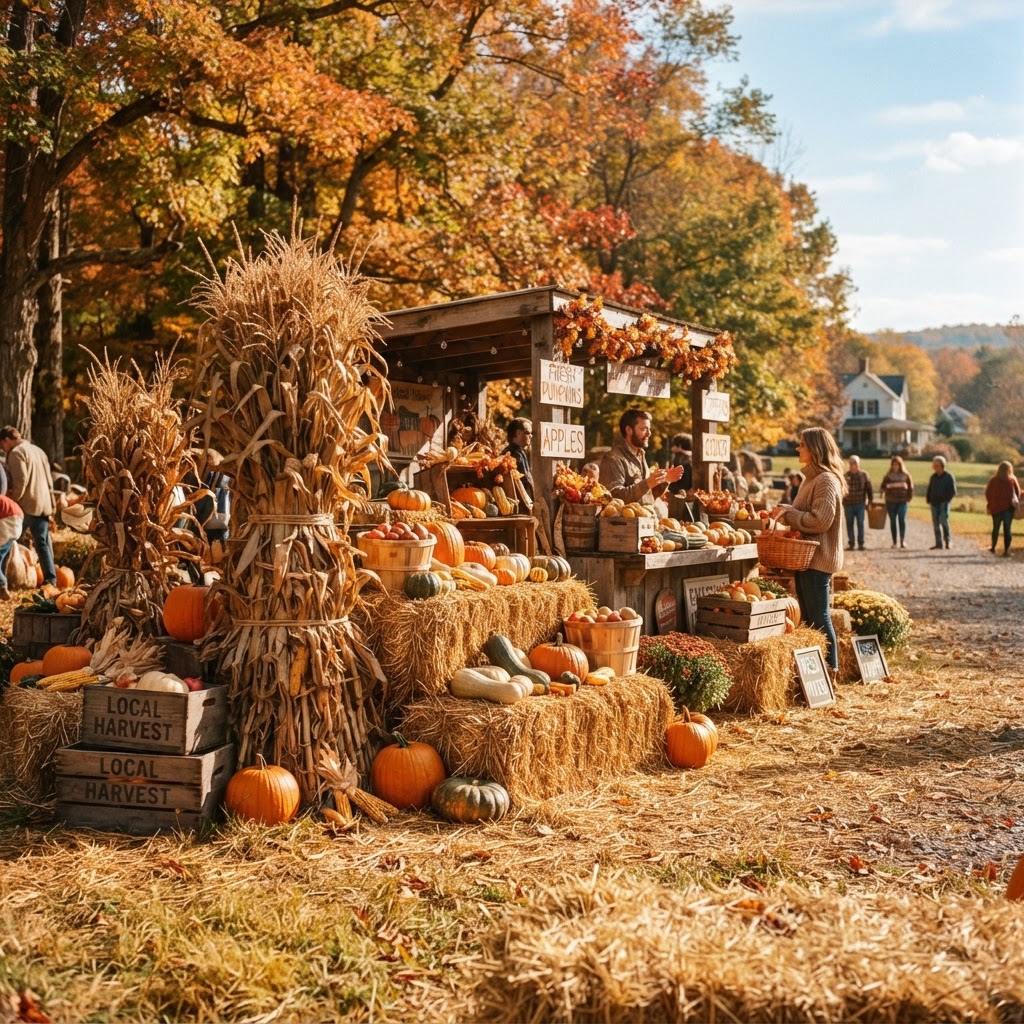
People use these terms interchangeably, but they're actually three different things — and each plays a unique role in fall decorating. Straw is the dry, hollow stalks left after grain harvest, light golden in color and perfect for scattering around the base of a display or stuffing into a scarecrow. It's what most people picture when they think of a classic fall porch setup. Hay bales are denser and sturdier, making them excellent as elevated platforms — set a carved pumpkin on top, stack a few at different heights, or use them as impromptu seating at an outdoor fall gathering.
Fodder shocks are the showstopper of the three. These are bundles of dried cornstalks tied together and stood upright, creating that tall, dramatic vertical element that fills out a large porch or yard display beautifully. They've been a fixture of American harvest celebrations going back centuries, and when you lean a few together and tuck some gourds or Indian corn at their base, the effect is genuinely striking. Open Air Market Produce Stand at 1594 Barbourville Rd in London carries all three, so you can mix and match to build exactly the display you have in mind.
Layering Your Display for Maximum Impact
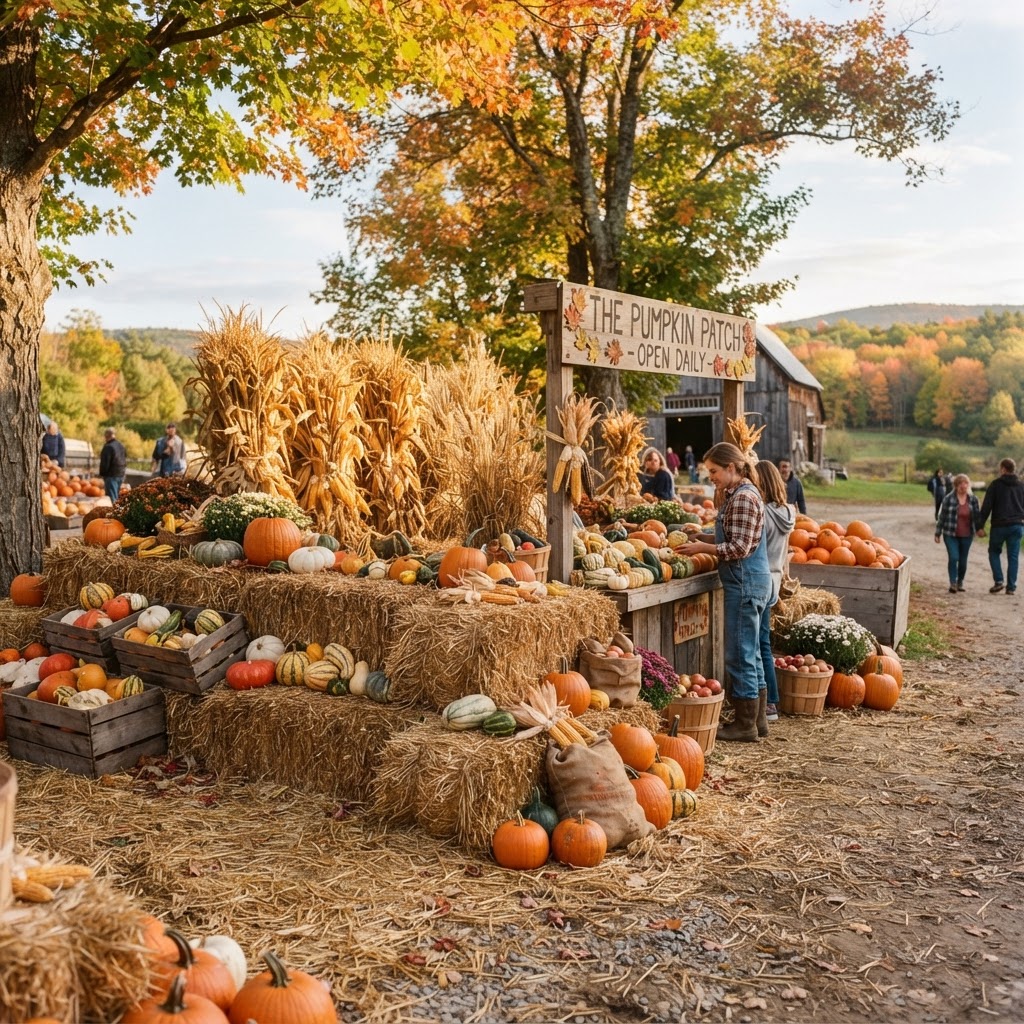
The best fall displays work in layers, and hay bales give you the vertical range to make that happen. Start with a straw base spread across your porch steps or along the edge of your walkway — just a thin layer gives everything a warm, cohesive ground to rest on. Then bring in one or two hay bales at varying heights to create levels. Place your largest pumpkins on the ground, medium-sized ones up on the bales, and tuck gourds and Indian corn into any gaps.
Fodder shocks work best flanking an entryway or anchoring the corners of a display. Tie them loosely so they fan out slightly at the top, and lean two or three together so they hold each other upright. Nestle a bundle of bittersweet or a few dried sunflowers into the ties for extra color. The whole effect reads as full, intentional, and genuinely festive without looking overdone.
November Is Not Too Late — These Displays Last
If you've been putting off pulling your fall decor together, November 7th is not too late. That's one of the great advantages of hay, straw, and fodder shocks over fresh flowers or tender gourds — these materials are remarkably durable outdoors. A well-made fodder shock can hold up beautifully through the entire month of November, and hay bales can stay on your porch or in your yard well past Thanksgiving. In fact, some folks keep them in place right through early December and simply transition the other accents around them as the season shifts toward the holidays.
Open Air Market is open seven days a week, so swing by any day that works for your schedule — Monday through Friday from 10 to 6, Saturday from 9 to 6, or Sunday from 11 to 6. There's plenty of parking, and the fall decorating inventory is still well-stocked this weekend.
Pairing Your Structural Decor With Seasonal Accents
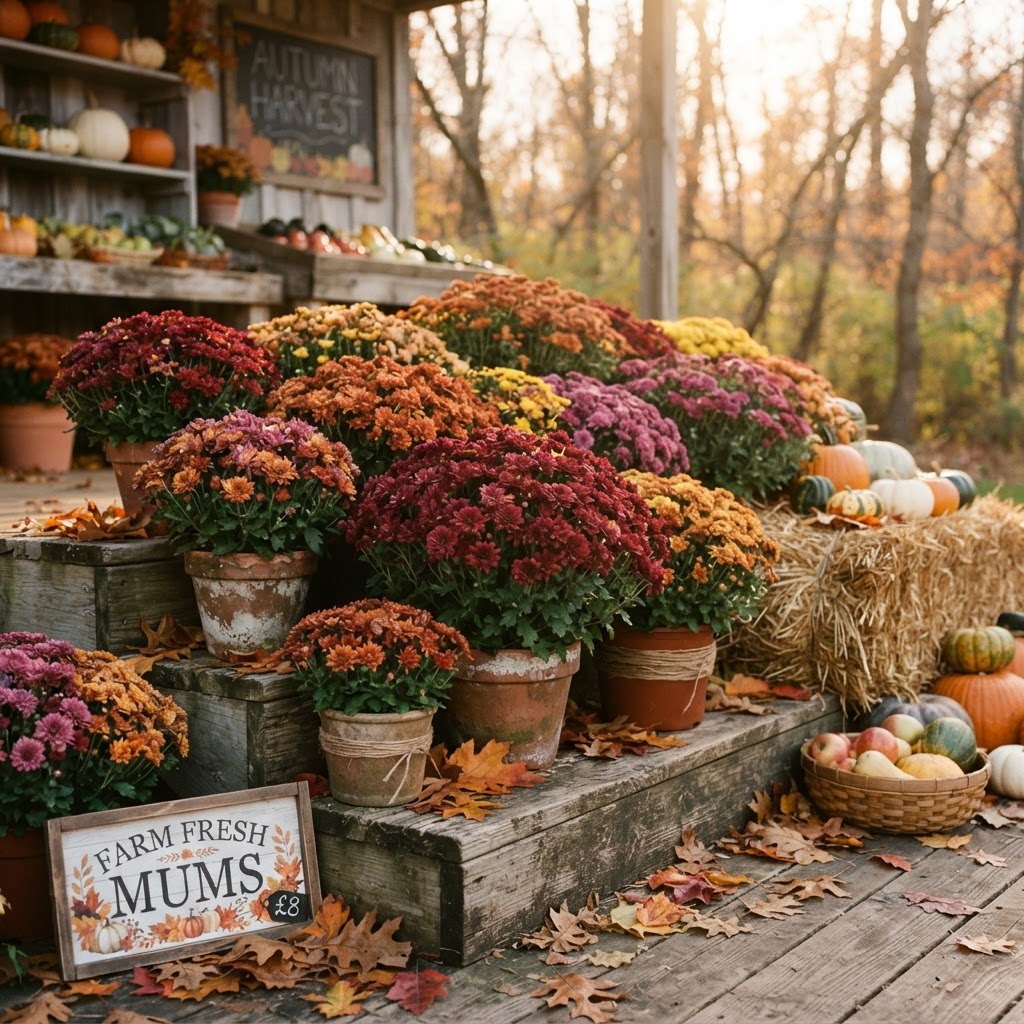
Hay bales and fodder shocks are the structure; the other seasonal pieces are the personality. At the stand right now you'll find pumpkins in a range of sizes and shapes, colorful gourds, Indian corn, and chrysanthemums bursting with orange, yellow, and burgundy blooms. A pot of mums sitting on top of a hay bale with a cluster of small pumpkins arranged at its feet is one of those combinations that photographs beautifully and looks even better in person. Grab a bundle of Indian corn and hang it on your front door to carry the fall theme all the way to your entryway.
If you're decorating for a neighborhood event, a church fall festival, or just want your yard to be the one everyone slows down to look at on the way home, stocking up on a few extra bales and an additional fodder shock or two goes a long way. These items move quickly as the season peaks, so visiting the produce stand in London, KY this week gives you the best selection.
A Few Practical Tips Before You Head Out
Before you load up your truck or SUV, a couple of quick tips will save you hassle at home. When buying hay bales for display rather than animal use, look for bales that are firm, evenly shaped, and golden-yellow rather than brown or gray — the lighter color photographs better and signals fresher material. For straw, a good loose flake that separates easily is ideal for spreading. When selecting fodder shocks, look for ones with full, intact stalks tied securely — they'll stand straighter and last longer outdoors.
For anyone searching for fall decor or fresh produce near me in the London, Kentucky area, Open Air Market Produce Stand is the go-to stop in Laurel County. We've been here since 1984, and fall is one of our favorite times of year to watch customers build their displays and take a little piece of the harvest season home with them.
1594 Barbourville Rd, London, KY 40744 · Mon–Fri 10–6 · Sat 9–6 · Sun 11–6
Get Directions
Serving London, Kentucky since 1984, Open Air Market is the oldest and longest-running produce market in Laurel County. For over 40 years, our family-owned stand at 1594 Barbourville Rd has been the trusted source for fresh, seasonal fruits and vegetables in southeastern Kentucky. We hand-select every item for ripeness and quality — the way it's been done for four decades. Open 7 days a week.