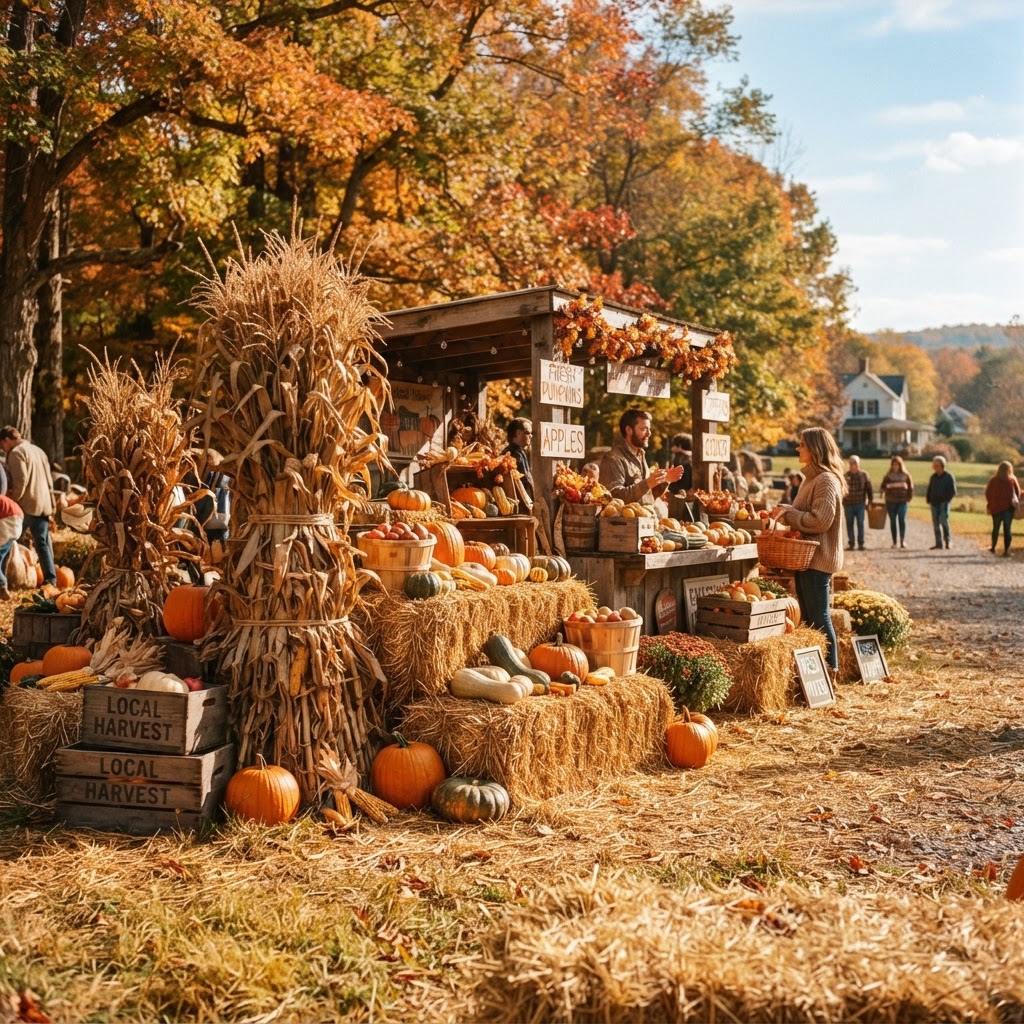
From Porch to Pasture: How Hay Bales, Straw, and Fodder Shocks Transform Your Fall Yard
Nothing says autumn quite like a front yard stacked with golden hay bales, bundled fodder shocks, and loose straw. Open Air Market Produce Stand in London, Kentucky has everything you need to build your most striking fall display yet.
The Underrated Stars of Fall Decorating
Pumpkins get all the glory in October, but once you roll into mid-November, the real workhorses of fall decor start to shine. Hay bales, loose straw, and fodder shocks are the structural backbone of the best front-porch and yard displays you've ever seen — and most people don't realize just how versatile they are until they start playing around with them. Whether you're dressing up a simple stoop or going all-out on a sweeping front yard harvest scene, these materials do the heavy lifting in ways that plastic skeletons and store-bought inflatables simply can't match.
Right now at Open Air Market Produce Stand on Barbourville Road, we've got a solid selection of hay bales, straw, and fodder shocks ready to go — and with November 14 already here, there's still plenty of fall left to enjoy a good display before the season winds down. Come see what we've got and start stacking.
Hay Bales vs. Straw: Knowing the Difference Saves You Trouble
A lot of folks use the terms interchangeably, but hay bales and straw bales are actually different things — and that difference matters when you're using them for decoration. Hay contains the full dried plant, seeds and all, which means it can get messy, attract critters, and sometimes sprout if it gets wet. Straw, on the other hand, is the golden hollow stem left after the grain is harvested. It's cleaner, lighter, and far better suited for porch and yard decorating where you want something that holds its shape and looks tidy through the season.
For most decorative purposes — stacking on porches, lining walkways, building a base layer for pumpkin and gourd arrangements — straw bales are the go-to choice. Hay bales tend to work better in larger outdoor settings where a little rustic roughness adds to the charm. If you're not sure which is right for your setup, just ask when you stop in. We're open Monday through Friday from 10 to 6, Saturday from 9 to 6, and Sunday from 11 to 6, and we're always happy to help you figure out what works best.
What Exactly Is a Fodder Shock — and Why Do You Need One?
If you've admired those tall, dramatic bundles of dried cornstalks tied up with twine and placed on either side of a front door or at the edge of a garden bed, you've seen a fodder shock. They're one of the oldest harvest traditions in American rural culture, and they bring an unmistakable vertical element to fall displays that nothing else quite replicates. Where hay bales and pumpkins spread wide and low, a fodder shock draws the eye upward and frames a space beautifully.
Fodder shocks are especially striking flanking a front door, anchoring the corners of a porch, or standing tall at the end of a driveway. Pair them with a hay bale base, a few well-chosen pumpkins, some dried gourds, and maybe a potted mum or two, and you've got the kind of display that slows down traffic on your street. We carry fodder shocks at the stand right now, and they go fast once word gets out — so don't put off that trip to London KY.
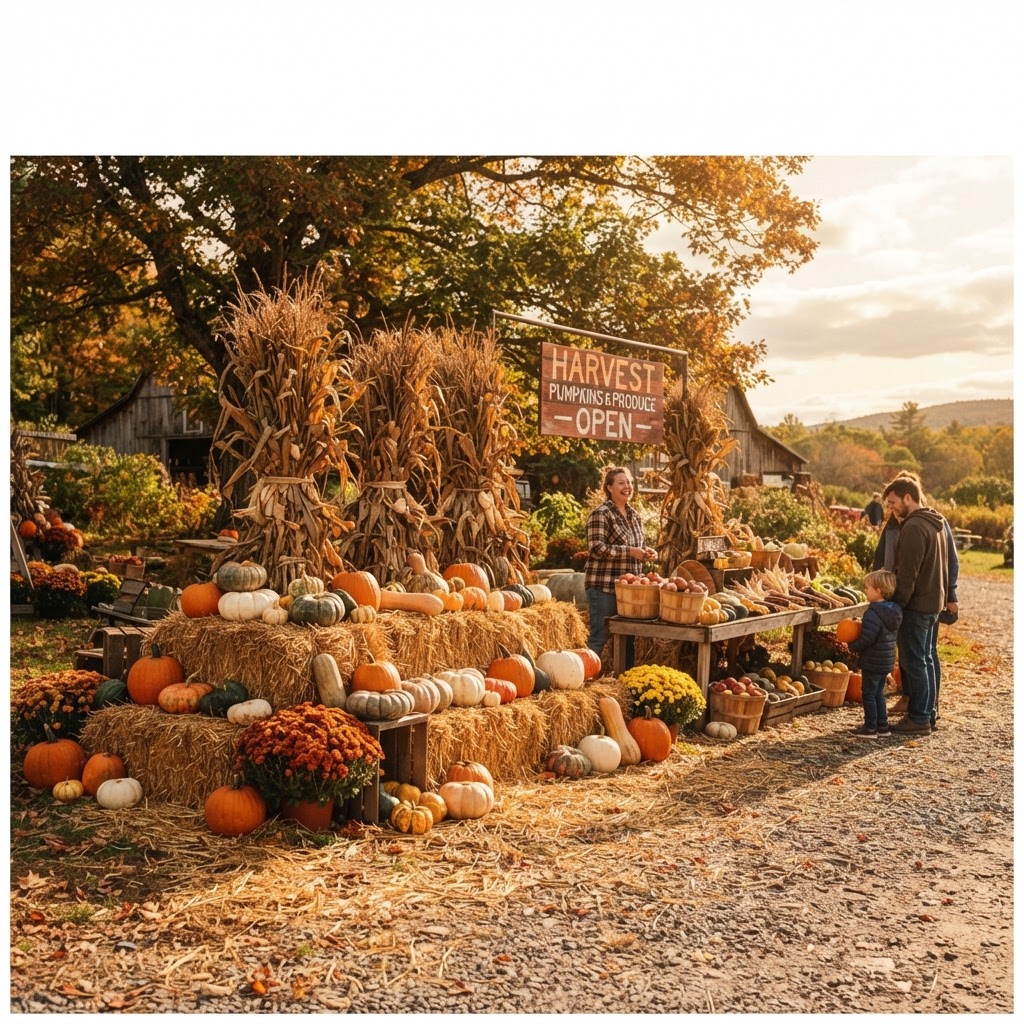
Building a Layered Fall Display: A Simple Visual Guide
The secret to a fall yard display that looks professionally put together is layering — working from the ground up and from large to small. Start with one or two straw bales as your foundation. Stack a second bale on top of one if you want height variation. From there, drape or scatter loose straw around the base to soften the edges and create a natural, spread-out look. Lean your fodder shocks upright against the porch railing or a fence post nearby.
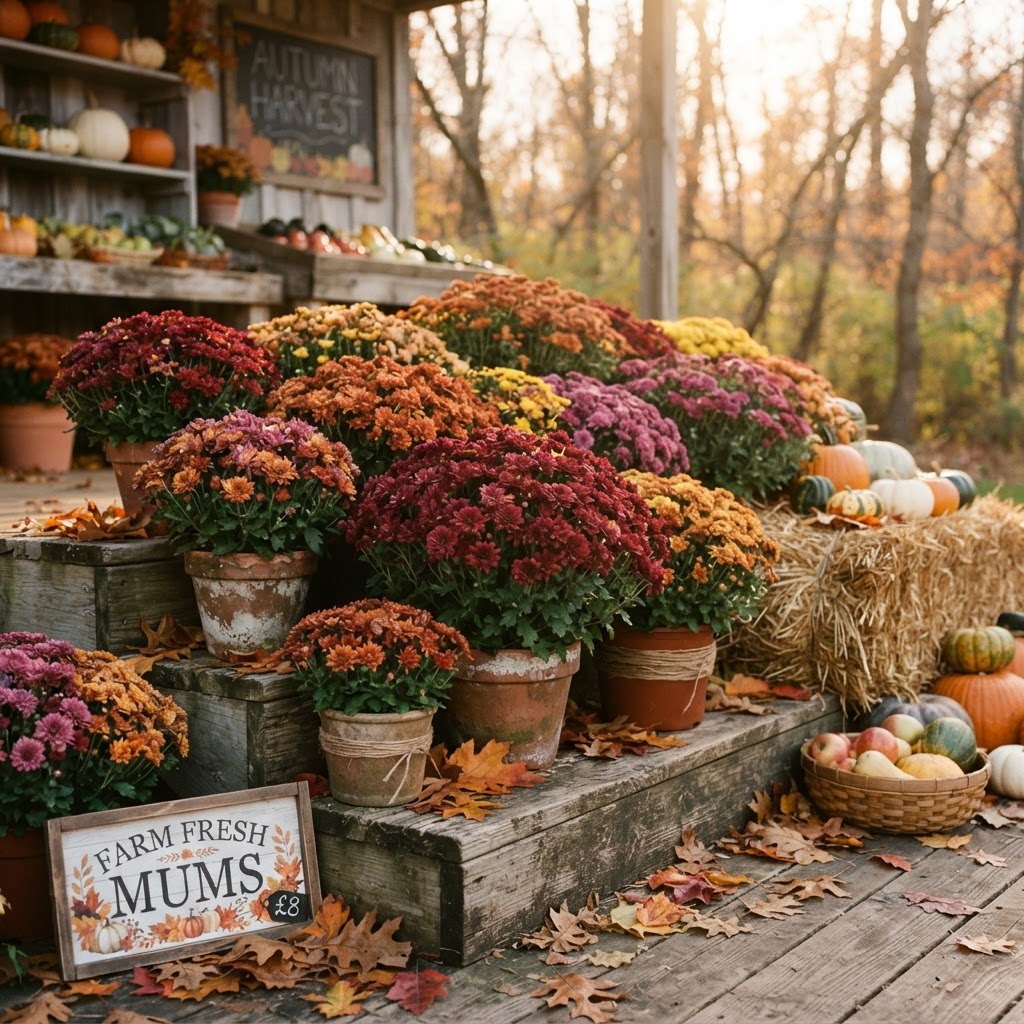
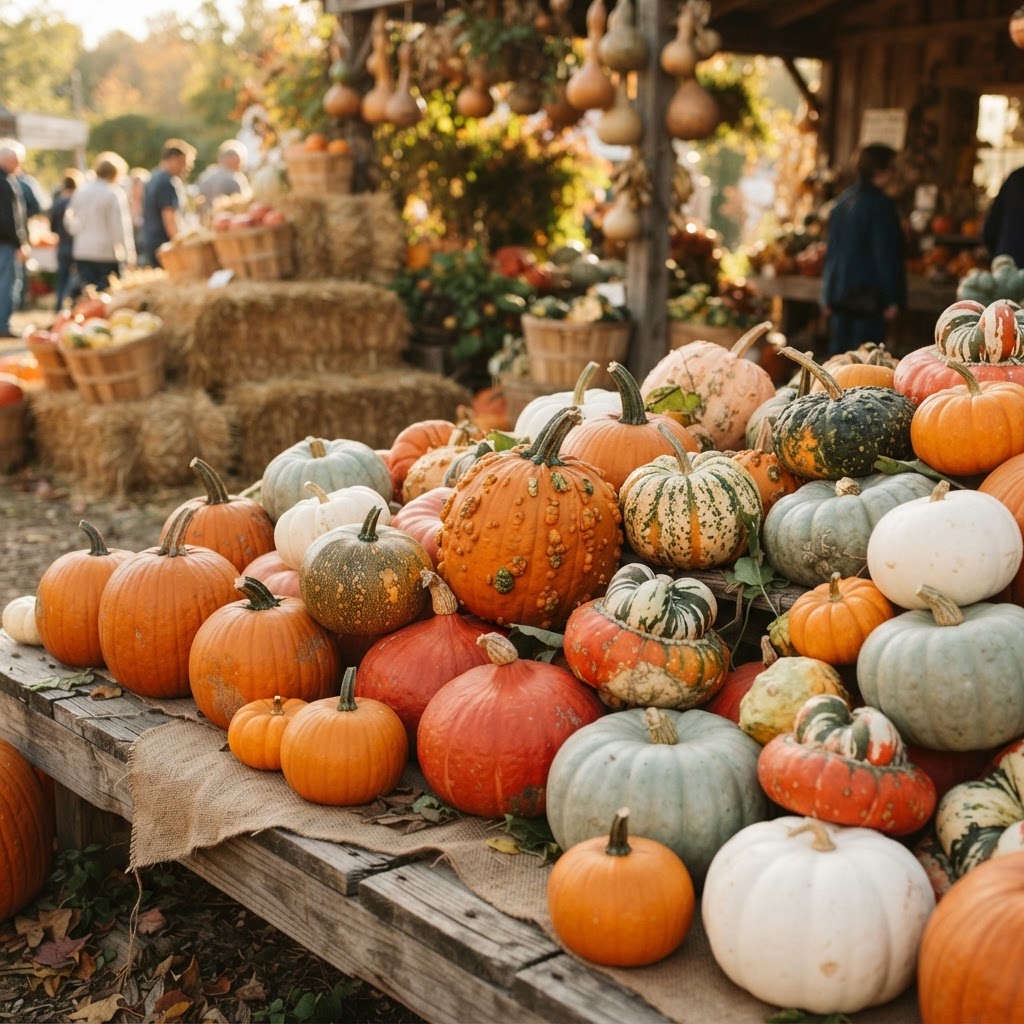
Next, bring in your mid-layer: pumpkins of varying sizes, decorative gourds in warty and smooth varieties, and maybe a bundle of Indian corn hanging from the door. Finally, top everything off with a potted mum or two for living color — gold, burgundy, and orange all look fantastic against the wheat tones of straw and dried cornstalks. The whole effect is cohesive, full, and deeply seasonal. All of these elements are available at Open Air Market right now, so you can grab everything in a single stop.
Straw as a Practical Garden Tool — Not Just Decor
Here's something worth knowing if you've never used straw beyond decorating: it's also one of the best late-season mulches you can put down in your garden beds. A generous layer of straw spread around perennials, bulbs, and root vegetables before hard freezes hit helps insulate the soil and keep it from heaving through freeze-thaw cycles. It also breaks down slowly over winter, adding organic matter back into the soil by spring.
So if you're picking up a straw bale for your front porch display, consider grabbing an extra one for the garden. It's a practical use that extends the value of your purchase well beyond fall aesthetics. Folks around Laurel County have been doing this for generations, and it's one of those simple practices that makes a real difference in what your garden looks like come April.
Why This Tradition Still Matters in a World Full of Plastic Decor
There's something grounding about decorating with natural materials in the fall. Hay bales, straw, and fodder shocks aren't manufactured to look like autumn — they simply are autumn, in its most honest form. They smell like a harvest. They feel like something real. And when the season is over, they can be composted, spread across a garden, or used as animal bedding rather than tossed into a landfill.
Open Air Market Produce Stand has been a part of this community in London, Kentucky since 1984, and one of the reasons people keep coming back isn't just the fresh produce — it's that the stand itself feels like a connection to something older and more intentional than the modern shopping experience. Pulling into the lot at 1594 Barbourville Road, loading up straw bales and a couple of fodder shocks into the back of a pickup — that's a fall ritual worth holding onto. We'll see you this week.
1594 Barbourville Rd, London, KY 40744 · Mon–Fri 10–6 · Sat 9–6 · Sun 11–6
Get Directions
Serving London, Kentucky since 1984, Open Air Market is the oldest and longest-running produce market in Laurel County. For over 40 years, our family-owned stand at 1594 Barbourville Rd has been the trusted source for fresh, seasonal fruits and vegetables in southeastern Kentucky. We hand-select every item for ripeness and quality — the way it's been done for four decades. Open 7 days a week.